

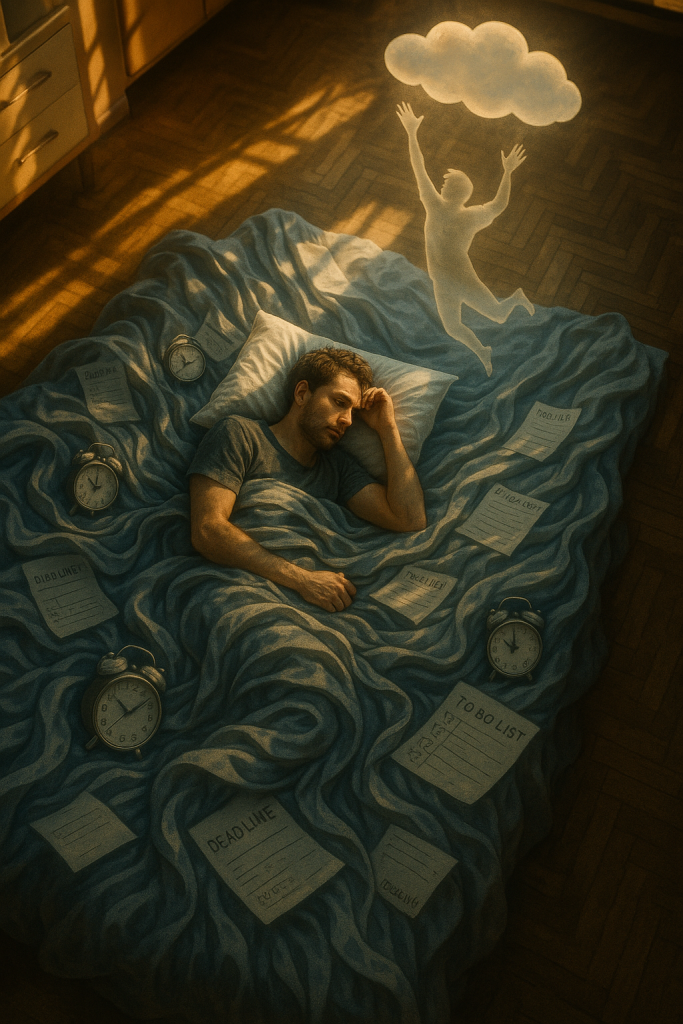
The Stress Impact on Sleep Patterns: What You Need to Know
The stress impact on sleep patterns is more significant than many people realize, and it’s something that affects almost everyone at some point. At Hypnosis Sudbury, understanding and managing stress is at the core of improving overall wellness, especially when it comes to sleep health. Let’s explore how stress can disturb your nights and what you can do about it.
Table of Contents
- A Brief History: Stress and Sleep Connection
- Current Trends in Stress-Related Sleep Issues
- Key Challenges: How Chronic Stress Affects Sleep
- Future Prospects: Sleep Hygiene and Stress Solutions
- Step-by-Step Guide: Improving Sleep with Stress Management
- About Hypnosis Sudbury’s Approach
- Interesting FAQ
A Brief History: Stress and Sleep Connection
For centuries, people have linked emotional tension with restless nights. Throughout history, philosophers and scientists alike have noticed how stressful events or periods—like wars, job changes, or financial concerns—lead to sleep disruptions. With more access to medical research today, we now have clear evidence showing that stress heavily influences our sleep cycles.
The stress impact on sleep patterns can be traced back to when human beings developed the “fight or flight” response. This natural reaction helps us survive danger, but it also releases hormones like cortisol—a chemical that can keep our minds racing and bodies alert, making it difficult to fall or stay asleep.
Current Trends in Stress-Related Sleep Issues
Modern living brings unique challenges for our slumber. In recent years, the pressure to balance work, family, and social life has led to a rise in stress-related sleep disorders. According to a 2023 study by the Canadian Psychological Association, over 50% of adults report trouble sleeping due to stress at least once a week.
- Increased use of smartphones and screens before bed can raise stress hormones.
- Pandemic-related worries, economic fears, and social isolation all contribute to disrupted sleep.
- Insomnia, nightmares, restless legs syndrome, and frequent awakenings are more common.
It’s not just adults; teens experience sleep problems when their daily stress is high. Clearly, the stress impact on sleep patterns touches every age group.
Key Challenges: How Chronic Stress Affects Sleep
To truly solve the problem, we must understand how chronic stress affects sleep. Long-term stress creates a cycle—our bodies stay on high alert, making it hard to relax at night. This can lead to insomnia and fragmented sleep, which in turn makes us less able to handle stress the next day. It’s a tough loop to break.
- Chronic stress keeps cortisol levels high, so the body does not settle down for deep sleep.
- You may wake up several times during the night or have trouble falling asleep.
- Stress can even worsen conditions like sleep apnea or worsen anxiety, amplifying sleep issues.
- Poor sleep increases irritability, memory problems, and lowers your immune system.
Recognizing the signs of stress-related sleep disorders is the first step toward getting the rest you need.
Future Prospects: Sleep Hygiene and Stress Solutions
The good news is that experts are focused on finding new strategies for improving sleep with stress management. Sleep hygiene and stress management go hand in hand. Sleep hygiene refers to simple daily practices that help create the best conditions for restful sleep.
- Developing a bedtime routine signals your body and mind it’s time to unwind.
- Avoid screens at least an hour before bed—blue light interrupts sleep hormones.
- Keep your room cool, dark, and quiet to support deep sleep.
- Limit caffeine, alcohol, and heavy meals close to bedtime.
Mindfulness, meditation, and breathing exercises are now recommended for stress and insomnia solutions. Apps and guided audio tools can teach you these techniques for better sleep.
Step-by-Step Guide: Improving Sleep with Stress Management
If you struggle with the stress impact on sleep patterns, follow this practical approach:
- Identify your main sources of stress by writing them down before bed.
- Develop a consistent sleep schedule—even on weekends.
- Practice deep breathing or progressive muscle relaxation to calm yourself at night.
- Try visualization: picture a peaceful scene as you lay in bed.
- Reach out to a professional if stress and insomnia solutions at home do not work.
The right combination of stress-management tools and good sleep hygiene can make a significant difference.
About Hypnosis Sudbury’s Approach
With years of experience, Hypnosis Sudbury uses cutting-edge strategies and tools to help people manage stress, quit smoking and lose weight. They focus on the root of stress-related sleep disorders and tailor solutions to each person. This personalized approach helps break the negative stress-sleep cycle, using methods like cognitive behavioural techniques, positive visualization, and relaxation hypnosis. When you work with their expert team, you benefit from practical support and proven techniques for improving sleep with stress management.
Interesting FAQ
- Can stress alone really keep me from falling asleep?
Yes, heightened stress triggers a “fight or flight” response, releasing chemicals that make it tough for your brain to slow down at bedtime. Continuous stress is a major factor in insomnia and other sleep troubles. - What are the symptoms of stress-related sleep disorders?
You might notice tossing and turning, waking up too early, nightmares, headaches, or mood swings during the day. These are classic signs of the stress impact on sleep patterns. - How do I improve my sleep hygiene to reduce stress impacts?
Simple steps such as having a set bedtime, turning off electronics, and doing relaxation exercises can lower stress and help you sleep better at night. - Is there a link between stress and other health problems if I don’t sleep well?
Ongoing sleep problems caused by stress can weaken your immune system, make you more irritable, and may even increase the risk of long-term health conditions like heart disease. - You can find more information on stress and sleep from reputable sources like the National Sleep Foundation.
To learn more and view our other blogs, click here.
At its root, most addictive behaviors trace back to one cause — and it can be overcome. Discover the FEAR Method →