

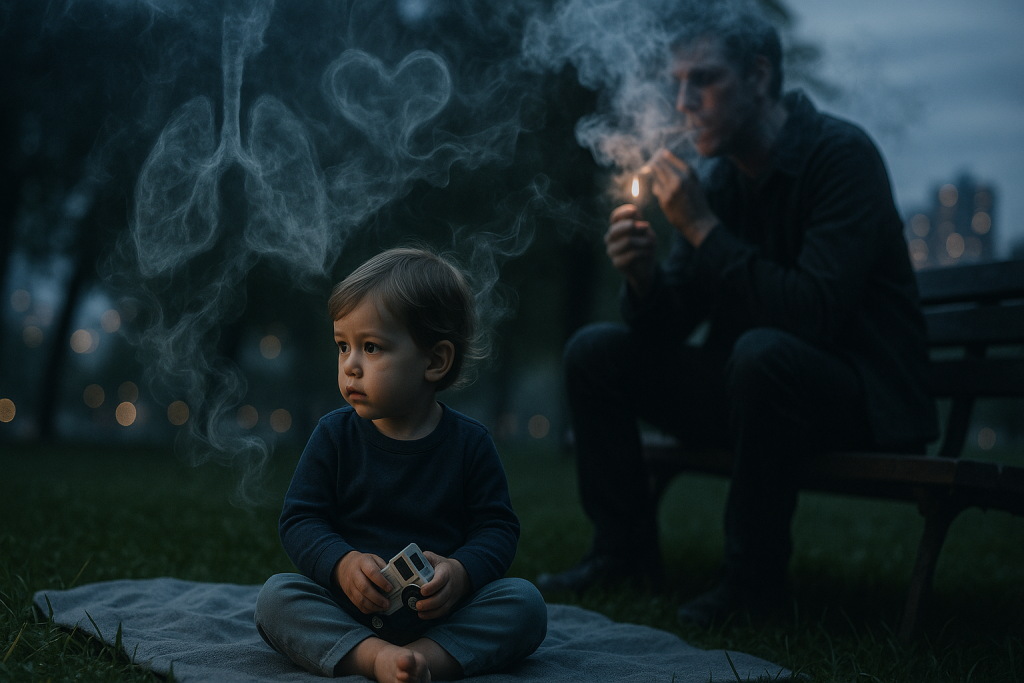
Understanding the Quitting Smoking Secondhand Smoke Impact on Families and Homes
Quitting smoking secondhand smoke impact is more significant than many realize; each cigarette smoked affects not just the smoker, but everyone nearby. At Hypnosis Sudbury, countless individuals have found support for making their homes healthier and protecting loved ones from harmful smoke exposure.
Table of Contents
- The History of Secondhand Smoke Awareness
- Current Trends in Quitting Smoking for Family Benefits
- Secondhand Smoke Health Risks
- How to Reduce Secondhand Smoke Exposure at Home
- Step-by-Step: Smoking Cessation for Healthier Homes
- Comparing Methods to Help You Quit
- Why Choose Hypnosis Sudbury for Quitting Smoking?
- The Future: Healthier Families, Healthier Homes
- Interesting FAQ
The History of Secondhand Smoke Awareness
Decades ago, the idea of quitting smoking secondhand smoke impact was barely discussed, and awareness was low. Many people smoked inside homes and public spaces, not realizing the risks. By the 1970s, researchers began linking secondhand smoke exposure to health concerns. Policy changes soon followed, banning smoking in many workplaces and public areas. The shift came thanks to mounting scientific evidence about how dangerous secondhand smoke is—especially for children and the elderly. As awareness grew, families began seeing the benefits of quitting smoking for family, not just the individual.
Current Trends in Quitting Smoking for Family Benefits
Today, more smokers than ever cite family as their main reason for quitting. Studies show that when smokers learn about the harm caused by secondhand smoke, they are much more likely to seek help. Initiatives focused on smoking cessation for healthier homes have prompted people to take action, using a mix of counseling, nicotine replacement, and hypnosis. Families who quit together often report fewer sick days, less coughing, and a stronger bond. The quitting smoking secondhand smoke impact is shifting from personal choice to a community health priority.
Secondhand Smoke Health Risks
Secondhand smoke contains over 7,000 chemicals, hundreds of which are toxic. Health Canada reports that non-smokers regularly exposed to secondhand smoke raise their chances of developing lung cancer by 20 to 30 percent. Children exposed at home are at higher risk for asthma attacks, sudden infant death syndrome (SIDS), and frequent respiratory infections. Pets are also affected, developing allergies, lung disease, and cancers at much higher rates. Reducing secondhand smoke exposure is one of the easiest ways to protect your family’s health and make your home a truly safe place.
How to Reduce Secondhand Smoke Exposure at Home
Learning how to protect loved ones from smoke starts with small but meaningful changes:
- Make your home and car 100% smoke-free zones.
- Ask guests and family members to smoke only outside.
- Avoid using air fresheners or candles to cover the smell—these don’t remove toxins.
- Clean carpets and curtains regularly, as they trap smoke residues.
- Talk with kids about the dangers of secondhand smoke to help them stay aware and advocate for their own health.
The sooner you start, the greater the benefits of quitting smoking for family. Every effort counts towards reducing secondhand smoke exposure in your home.
Step-by-Step: Smoking Cessation for Healthier Homes
The journey to a smoke-free home doesn’t have to be overwhelming. Here’s what to expect and practical ways to succeed:
- Set a quit date and share it with friends and family for accountability.
- Remove all smoking items—lighters, ashtrays, cigarettes—from your home.
- Consult with a healthcare provider for support, therapy, or medication.
- Try alternative methods like hypnosis or counseling, which can address both physical cravings and emotional habits.
- Reward yourself and your family for each smoke-free week by doing something fun together.
Taking these steps not only improves your chances of quitting but also supports a healthier home environment for everyone.
Comparing Methods to Help You Quit
There are several approaches for smoking cessation for healthier homes. Nicotine gum and patches help ease withdrawal, but many struggle with cravings and stress triggers. Prescription medications lower craving intensity but might cause side effects. Hypnosis is gaining traction, especially among those who want natural, side-effect-free support. According to The Canadian Cancer Society, group counseling increases success rates by up to 50%. Combining multiple methods often brings the quickest and most lasting results. Finding what works for your family ensures the benefits of quitting smoking for family are long-lasting.
Why Choose Hypnosis Sudbury for Quitting Smoking?
With years of experience, Hypnosis Sudbury uses cutting-edge strategies and tools to help people manage stress, quit smoking, and lose weight. Their compassionate team tailors sessions for every individual and family, making it easier to overcome addiction. They understand that quitting smoking secondhand smoke impact is not just personal, but about creating a healthier, happier home for all.
The Future: Healthier Families, Healthier Homes
Awareness about quitting smoking secondhand smoke impact continues to grow, and so do the resources available. Technology is making support more accessible, while changing norms promote smoke-free spaces. Experts predict that the next generation will see even lower rates of smoking-related illness as more families choose to quit for each other. Your efforts today can shape a healthier future for your loved ones.
Interesting FAQ
- Is it safe to smoke near an open window? No—secondhand smoke lingers even with ventilation, and toxins can attach to fabrics and surfaces.
- How long does it take for a home to become truly smoke-free? Most toxins clear within months after quitting, especially with deep cleaning and fresh air.
- Are air purifiers helpful against secondhand smoke? Some HEPA filters reduce particles, but they do not remove all harmful chemicals—quitting remains the best option.
- Want to learn more about how to protect your family? Visit the Canadian government’s secondhand smoke resource for further trusted advice.
To learn more and view our other blogs, click here.
At its root, most addictive behaviors trace back to one cause — and it can be overcome. Discover the FEAR Method →