

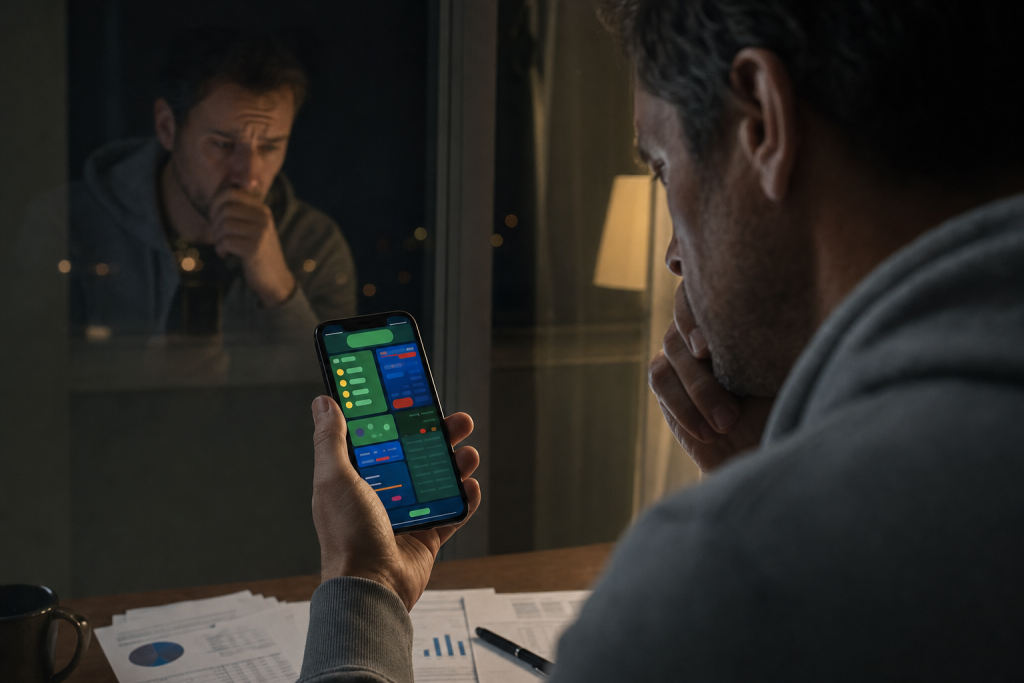
Online Gambling has moved from casinos and corner stores into the phone in your pocket, making betting faster, easier, and harder for some people to step away from. A person can now place a sports bet during lunch, spin digital slots before bed, or chase losses while sitting alone in the car. For people already dealing with stress, loneliness, shame, or past emotional pain, that easy access can create a powerful loop. Hypnosis Sudbury provides private hypnosis, counselling, and recovery-focused support for people seeking meaningful change, including those who feel stuck after stopping one harmful behaviour only to replace it with another. This matters because online gambling addiction is not always about money alone. It can also become a way to escape feelings that feel too heavy to face.
Table of Contents
- Online Gambling: History and Trends
- Why Gambling Apps Feel So Hard to Put Down
- Gambling Warning Signs and Real-Life Scenarios
- Challenges in Recovery and Replacement Behaviours
- Future Prospects and What to Expect
- How The F.E.A.R. Method Fits Into Recovery
- FAQ
Online Gambling: History and Trends
Gambling is not new. People have placed bets for centuries, from card games to horse racing to lottery tickets. What has changed is the speed and reach. In the past, gambling often required travel, cash, and time. Today, Online Gambling can happen in seconds through gambling apps, websites, and live betting platforms. That shift has changed the risk for some people because the pause between urge and action has become much smaller.
In Canada, Statistics Canada reported that nearly three-quarters of people aged 15 and older had gambled in the previous year, while about 1.6% were at moderate-to-severe risk of gambling-related problems. That may sound small, but it represents many people and families affected by financial stress, secrecy, conflict, and emotional distress. The World Health Organization also recognizes gambling harm as a public health concern, not just a personal weakness. The key point is simple: easy access can turn a casual habit into a repeated coping pattern, especially when someone is trying to numb stress, anger, guilt, or sadness.
Why Gambling Apps Feel So Hard to Put Down
Gambling apps are designed to keep attention. They use bright colours, instant results, reminders, bonuses, and “almost won” moments. A “near miss” means the result looks close to a win, even though it is still a loss. The brain may read that as a reason to keep going. Another common feature is a “variable reward schedule,” which means wins happen at unpredictable times. This is the same reason a person may keep checking a phone for messages or likes.
Compared with a casino, an app has fewer natural stopping points. There is no drive home, no closing time, and no need to walk past another person. A person may tell themselves, “Just one more bet,” then realize an hour has passed. For example, a 39-year-old father might stop drinking after years of effort but begin using sports betting as his new escape after work. At first, it feels controlled. Over time, it becomes the thing he turns to whenever he feels pressure, boredom, resentment, or shame.
Gambling Warning Signs and Real-Life Scenarios
Problem gambling does not always look dramatic from the outside. Many people keep working, paying bills, and caring for family while secretly struggling. Gambling warning signs may show up slowly. Someone may spend more time betting than planned, hide app use, borrow money, or feel restless when trying to stop. Others may chase losses, meaning they keep betting to win back money they already lost.
Common warning signs can include:
- Thinking about gambling often, even during work or family time.
- Feeling anxious, angry, or low when trying not to gamble.
- Using gambling to escape stress, loneliness, shame, or conflict.
- Lying about money, time, or app activity.
- Trying to stop, then switching to another compulsive behaviour.
- Borrowing, selling items, or using credit to keep betting.
If gambling is connected to thoughts of self-harm, severe debt panic, family violence, or feeling unsafe, it is important to seek urgent help from emergency services, a crisis line, a doctor, or a qualified mental health professional. Support is not about blame. It is about safety, honesty, and getting the right help at the right time.
Challenges in Recovery and Replacement Behaviours
One challenge with online gambling addiction is that stopping the app does not always stop the emotional pattern underneath. A person may delete one app, then begin overeating, shopping, gaming, watching pornography, working constantly, or scrolling late into the night. This is sometimes called replacement behaviour. It means the visible behaviour changed, but the inner pressure is still looking for somewhere to go.
This is where guilt and shame can get confused. Guilt says, “I did something wrong.” Shame says, “There is something wrong with me.” Guilt can sometimes help a person make repairs. Shame often pushes people to hide, lie, avoid, or escape. When shame is left untouched, willpower alone may not be enough. That does not mean counselling, peer support, medication, financial planning, self-exclusion tools, or recovery meetings are not useful. Many people benefit from a mix of supports. The real question is what combination helps the person address both the behaviour and the pain behind it.
Future Prospects and What to Expect
The future of Online Gambling will likely include more live betting, faster payment tools, stronger personalization, and more advertising tied to sports and entertainment. Technology can help with safety too. Some platforms now offer spending limits, time reminders, cooling-off periods, and self-exclusion, which means blocking yourself from gambling services for a set time. These tools can create “friction,” which simply means adding a pause between the urge and the action.
Helpful steps may include:
- Removing gambling apps and blocking gambling websites.
- Setting bank limits or asking your bank about gambling transaction blocks.
- Using self-exclusion programs where available.
- Telling one trusted person what is really happening.
- Tracking emotional triggers before urges appear.
- Getting support from a qualified counsellor, doctor, financial advisor, or recovery group.
Different viewpoints matter. Some people focus first on blocking access and protecting money. Others focus on emotional healing, trauma support, relationship repair, or nervous system regulation. In real life, these approaches often work best together. A locked door helps, but it also helps to understand why you kept walking toward that door in the first place.
How The F.E.A.R. Method Fits Into Recovery
The F.E.A.R. Method is one private recovery option, not the only valid path. It is a six-month, private, one-on-one transformation program created by Gilles Brideau, M.A., a registered psychotherapist, certified hypnotist, and men’s recovery coach with 34 years of experience in mental health and addictions. It is primarily designed for men aged 32 and older who have stopped a primary addiction, such as alcohol, drugs, gambling, pornography, or another harmful behaviour, but continue switching into other compulsive patterns.
F.E.A.R. has two meanings:
- F*ck Everything And Run describes avoiding pain through substances, compulsive behaviour, distraction, or escape.
- Face Everything And Recover describes turning toward the underlying pain and beginning deeper recovery.
The program also has four stages. Foundation looks at the client’s story, shame cycle, emotional triggers, and the pattern under the visible behaviour. Empowerment builds practical tools for anxiety, anger, guilt, shame, cravings, and difficult reactions. Awakening explores deeper subconscious patterns through approaches that may include conversational hypnosis, forgiveness work, inner-child work, and bilateral stimulation. Rebirth focuses on rebuilding identity, confidence, purpose, relationships, and practical plans for maintaining change.
Conversational hypnosis is a focused, cooperative process, not sleep or mind control. Bilateral stimulation means using left-right forms of attention, such as sound, tapping, or eye movement, to support emotional processing. The complete program includes six private sessions over the first three months, followed by three monthly Rebirth Sessions, creating six months of support. For someone asking, “I stopped, so why do I still feel stuck?” this kind of work can help explore the deeper pattern without judgment.
FAQ
With gambling apps making betting available almost anywhere, easy access can increase the risk that more people start gambling and struggle to stop.
Q&A
Question: What is the difference between casual gambling and problem gambling?
Answer: Casual gambling is usually limited, planned, and does not cause major harm. Problem gambling begins to affect money, mood, trust, work, health, or relationships. The amount spent is not the only sign. A person can be struggling even if they are still paying bills or hiding the problem well.
Question: Can someone stop Online Gambling but still feel stuck?
Answer: Yes. Some people stop the betting but still feel anxious, angry, ashamed, restless, or drawn to other compulsive behaviours. This does not mean they failed. It may mean the emotional pattern underneath needs support through counselling, recovery tools, peer support, medical care when needed, or a private program such as The F.E.A.R. Method.
To learn more and view our other blogs, click here,
Conclusion
Online Gambling has changed the way people bet, but it has also changed how quickly a person can get pulled into a harmful loop. Gambling apps can make betting feel private, exciting, and always available, which can be risky for someone using it to manage pain, stress, or shame. Recovery may involve blocking access, protecting finances, reaching out for professional help, and looking honestly at the emotions underneath the behaviour. No single method is right for everyone, and many people need more than one kind of support. What matters most is taking the struggle seriously, reducing harm, and choosing help that treats the person with respect.
The photos used in this blog are for demonstration purposes only.