

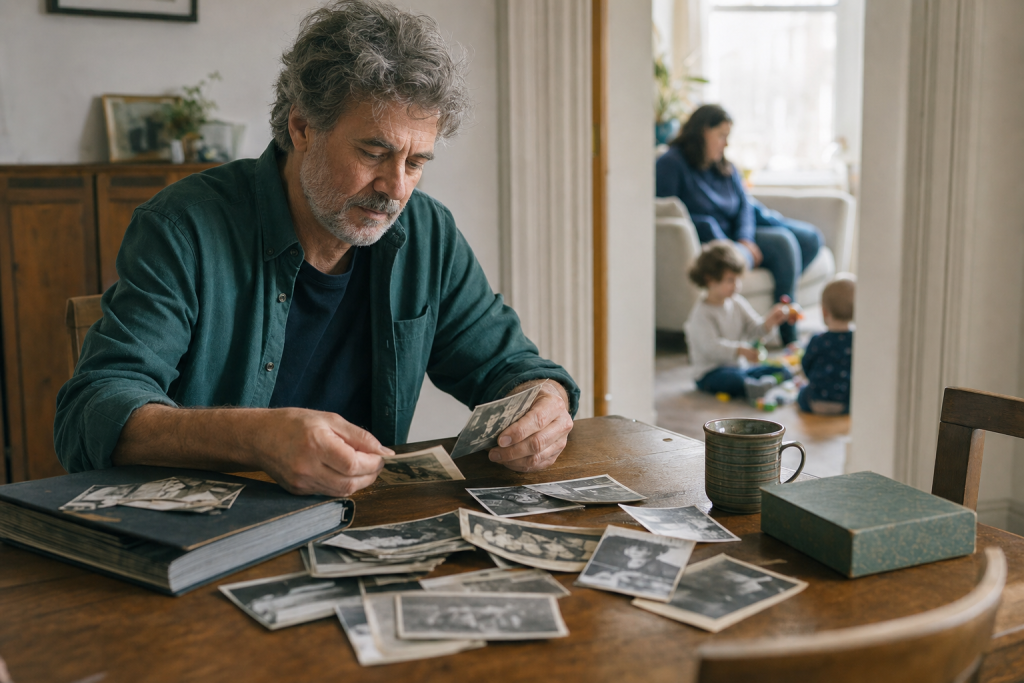
Generational Trauma and Substance Abuse can be closely connected when pain, fear, silence, and coping habits are passed from one generation to the next. For people who feel stuck after stopping alcohol, drugs, gambling, pornography, or another harmful behaviour, Hypnosis Sudbury offers private online support through The F.E.A.R. Method, a recovery-focused program created by Gilles Brideau, M.A., a registered psychotherapist, certified hypnotist, and men’s recovery coach with 34 years of experience in mental health and addictions. This topic is not about blaming parents or grandparents. It is about understanding how family addiction patterns can develop, repeat, and feel “normal” until someone starts asking deeper questions. Many people stop the visible behaviour but still carry anxiety, shame, anger, emptiness, or the urge to escape. When that happens, trauma recovery may need to look beyond willpower and explore the emotional roots underneath the pattern.
Table of Contents
- History: How Trauma Moves Through Families
- Generational Trauma and Substance Abuse: Why Patterns Repeat
- Current Trends in Substance Abuse and Family Addiction Patterns
- Challenges: Why Stopping One Behaviour May Not Feel Like Enough
- Comparing Recovery Methods and Support Options
- Future Prospects: What Trauma Recovery Can Look Like
- FAQ
- Conclusion
History: How Trauma Moves Through Families
Generational trauma means emotional pain from one generation can affect the next, even when the original event is not openly discussed. This may include war, abuse, neglect, poverty, racism, family violence, forced separation, sudden loss, or living with a caregiver who used substances to cope. A child may not know the full story, but they may still grow up around fear, silence, anger, emotional distance, or unstable caregiving. Over time, the nervous system can learn that life is unsafe, feelings are dangerous, and escape is the fastest way to survive. In simple terms, the nervous system is the body’s alarm system, and trauma can make that alarm too sensitive. When substances appear to calm that alarm, substance abuse can become a learned survival tool rather than simply a “bad choice.”
Research on Adverse Childhood Experiences, often called ACEs, shows that early stress can raise the risk of later health and mental health concerns. The CDC reports that about 61% of adults surveyed had at least one ACE, and roughly 16% had four or more. Higher ACE scores are linked with increased risk of problematic alcohol use, drug use, depression, and other health concerns. Genetics may also play a role; the National Institute on Alcohol Abuse and Alcoholism has noted that genes account for about half of a person’s risk for alcohol use disorder. But genes are not destiny. Family environment, emotional safety, support, culture, and access to care all matter.
Generational Trauma and Substance Abuse: Why Patterns Repeat
Generational Trauma and Substance Abuse often repeat through everyday family lessons that are never spoken out loud. A child may watch adults drink after every conflict, shut down when emotions appear, rage when they feel ashamed, or avoid hard conversations. Later in life, that same child may reach for alcohol, drugs, gambling, pornography, food, work, or screens when stress becomes too much. This does not mean the person is weak. It may mean they learned a coping pattern before they ever had words for what was happening.
Think of it like inheriting an old map. The map may have helped someone in the past survive danger, but it may not lead to a healthy life now. A grandfather may have survived war by never talking about feelings. A parent may have coped with fear by drinking. An adult child may then cope with anxiety by working nonstop, overeating, gambling, or isolating. The behaviour changes, but the emotional escape route stays the same. That is why trauma recovery often includes learning new ways to feel, respond, and connect.
Current Trends in Substance Abuse and Family Addiction Patterns
One major trend is that more people are recognizing the link between trauma and substance abuse. Modern counselling, recovery programs, and medical care increasingly look at the whole person instead of focusing only on the behaviour. This matters because someone may stop drinking but then begin gambling, compulsive shopping, overworking, gaming, or using pornography to numb the same emotional pain. These are sometimes called replacement behaviours. A replacement behaviour is when one coping habit is removed, but another habit takes its place because the deeper distress has not been addressed.
Another trend is the growing use of online care. Private online counselling, coaching, and recovery support can help people who live in smaller communities, travel often, or want more privacy. At the same time, online care is not the right fit for every situation. People facing medical withdrawal from alcohol, benzodiazepines, opioids, or other substances should speak with a qualified medical professional, as withdrawal can sometimes be dangerous. If there is risk of self-harm, overdose, violence, or a mental health crisis, emergency support or local crisis services should be contacted right away. Different people may need different supports, including counselling, medical care, peer groups, medication, residential treatment, family therapy, or a mix of services.
Challenges: Why Stopping One Behaviour May Not Feel Like Enough
A common question is, “I stopped, so why do I still feel stuck?” This can happen when the behaviour was only the visible part of the problem. Underneath it may be shame, grief, fear, loneliness, anger, trauma, or a painful belief such as “I am broken.” Shame is different from guilt. Guilt says, “I did something wrong,” while shame says, “There is something wrong with me.” Shame can keep people hiding, pretending, and repeating patterns they do not want.
The F.E.A.R. Method was designed for men aged 32 and older who have stopped a primary addiction but continue switching into other compulsive behaviours. These may include overeating, excessive work, gambling, pornography, anger, isolation, shopping, gaming, or constant screen use. F.E.A.R. has two meanings: “F*ck Everything And Run,” which describes escaping pain, and “Face Everything And Recover,” which describes turning toward the deeper work. The program includes six private sessions over the first three months, followed by three monthly Rebirth Sessions, creating six months of one-on-one support. It may include conversational hypnosis, emotional regulation tools, shame-focused recovery work, bilateral stimulation, forgiveness work, inner-child work, and identity rebuilding. These methods are presented as one private recovery option, not as the only valid path.
Comparing Recovery Methods and Support Options
There is no single recovery method that works for everyone. Peer support groups can provide community, structure, and shared understanding. Medical treatment can help with withdrawal, cravings, mental health conditions, and safer recovery planning. Counselling can help people process trauma, improve relationships, and build healthier coping skills. Rehabilitation programs may offer a more structured setting for people who need intensive support. Hypnosis-based and trauma-informed approaches may help some people explore emotional patterns, habits, and subconscious responses in a calmer, more focused way.
The F.E.A.R. Method fits into this wider recovery landscape by focusing on the emotional pattern beneath the visible behaviour. Its four stages are Foundation, Empowerment, Awakening, and Rebirth. Foundation looks at the person’s story, triggers, shame cycle, and repeating pattern. Empowerment builds practical tools for anxiety, anger, guilt, cravings, and difficult emotional reactions. Awakening explores deeper subconscious patterns through methods that may include conversational hypnosis and bilateral stimulation, which is a technique that uses left-right stimulation to support emotional processing. Rebirth focuses on rebuilding identity, confidence, purpose, relationships, and long-term strategies for change.
Future Prospects: What Trauma Recovery Can Look Like
The future of trauma recovery is becoming more personal, more private, and more focused on the whole person. Instead of asking only, “How do we stop the behaviour?” many professionals now also ask, “What pain is this behaviour trying to manage?” This shift can reduce shame and open the door to better care. In real life, this might look like a man who stopped drinking but still works 80 hours a week to avoid feeling lonely. It might look like someone who quit drugs but now uses food, gambling, or screens to escape stress. The goal is not to judge the replacement behaviour, but to understand what it is doing for the person emotionally.
Actionable steps can include tracking emotional triggers, building safer routines, speaking with a qualified professional, learning body-based calming skills, and repairing supportive relationships where possible. A person may also benefit from naming family addiction patterns without blaming every relative involved. This can sound like, “In my family, people survived by staying silent, drinking, or exploding, but I want to learn another way.” That kind of statement can be powerful because it creates choice. Recovery often begins when the pattern becomes visible. From there, support, practice, and self-honesty can help a person build a new response.
FAQ
Q&A
Question: Can generational trauma cause substance abuse?
Answer: Generational trauma can increase risk, but it does not guarantee that someone will develop substance abuse concerns. Family history, childhood stress, genetics, environment, mental health, social support, and access to care can all play a role. Some people use substances or compulsive behaviours to manage pain they do not fully understand. With the right support, people can learn new coping tools and begin trauma recovery in a safer, more guided way.
Question: What should someone expect if they explore The F.E.A.R. Method?
Answer: The F.E.A.R. Method is a private, one-on-one six-month program that looks at the emotional pattern beneath replacement behaviours. Clients can expect support around triggers, shame, anxiety, anger, identity, and healthier responses. The approach may include conversational hypnosis, emotional regulation strategies, bilateral stimulation, and deeper self-reflection. It is not a promise of a guaranteed result, and some people may also need medical care, peer support, counselling, or other services.
To learn more and view our other blogs, click here,
Conclusion
Generational trauma can shape how families handle pain, stress, conflict, and emotional closeness. When substance abuse or compulsive behaviour appears in that picture, it may be part of a larger survival pattern rather than a simple lack of discipline. Understanding this connection can help people move away from shame and toward support that fits their needs. Some people may benefit from counselling, peer support, medical care, medication, family work, hypnosis-based support, or a combination of approaches. The F.E.A.R. Method is one private option for people who want to explore the deeper emotional roots behind replacement behaviours and repeated cycles. Change is not always quick or simple, but learning the pattern can be an important first step toward building a different future.
The photos used in this blog are for demonstration purposes only.