

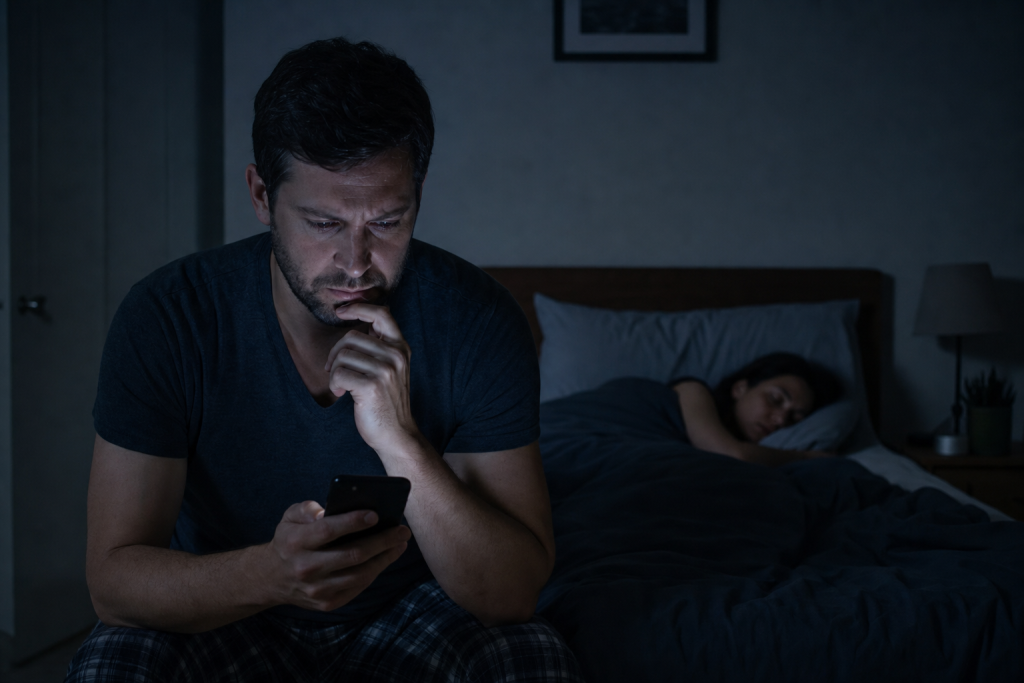
Online Gambling can be hard to spot because it does not always leave obvious signs like missed work, late nights at a casino, or unpaid bills sitting on the kitchen table. Today, a person can gamble on a phone while watching TV, sitting in bed, or taking a break at work. That privacy can make a hidden gambling addiction grow quietly before anyone understands how serious it has become. Hypnosis Sudbury provides private hypnosis, counselling, and recovery-focused support for people seeking meaningful change, including those who have stopped one harmful behaviour but feel stuck in another. This matters because gambling apps can turn a private struggle into a repeated cycle of stress, secrecy, relief, and regret. For many people, the visible behaviour is only one part of the story. Underneath, there may be shame, anxiety, loneliness, anger, or emotional pain that has not yet been addressed.
Table of Contents
- The History of Gambling Becoming Invisible
- Online Gambling Trends and Why Apps Change the Game
- Challenges: Why Problem Gambling Can Stay Hidden
- How The F.E.A.R. Method Looks at Replacement Behaviours
- Future Prospects: What to Expect and What Can Help
- FAQ
- Conclusion
The History of Gambling Becoming Invisible
For many years, gambling was tied to physical places. People went to casinos, racetracks, bingo halls, or betting shops. There were visible clues, like travel, cash withdrawals, long absences, or social circles built around gambling. While problem gambling still existed, friends and family sometimes had more chances to notice changes. The move from physical spaces to online gambling changed that pattern. A person no longer has to leave home, explain where they are going, or be seen placing bets.
This shift is similar to how shopping changed when stores moved online. In the past, buying too much might have meant bags in the closet. Now, spending can happen with a few taps, and the emotional pull can be easier to hide. Gambling has followed the same path, but with added risk because money can be lost quickly. The private nature of online access can make the behaviour feel less real in the moment. A person may tell themselves it is “just a game,” even when the losses and stress are very real.
Online Gambling Trends and Why Apps Change the Game
Gambling apps have changed how often people can gamble, how fast they can place bets, and how easy it is to return after a loss. Smartphones create constant access. Sports betting, online casinos, poker, slots, and live dealer games can all be available in one device. In Canada and many other countries, online betting has become more visible through advertising, sponsorships, and social media. That can make gambling feel normal, casual, and low-risk, even when it is becoming harmful.
Research has often linked higher gambling frequency and easy access with greater risk for gambling-related harm. A 2023 Statistics Canada report noted that about 1.6% of Canadians aged 15 and older were at moderate-to-severe risk of gambling problems, while many more experienced lower levels of risk. The number may sound small, but it represents many people and families. The concern is not just how many people gamble, but how quickly online gambling can become part of daily life. A few minutes before bed can turn into hours. A small bet can turn into chasing losses, which means trying to win back money already lost.
Apps also use features that keep people engaged. These may include bright colours, instant results, bonus offers, push notifications, and “near misses,” where a person almost wins. A near miss can feel exciting, even though it is still a loss. That is one reason gambling apps can be so powerful. They can keep the brain waiting for the next reward, much like checking a phone for messages or likes.
Challenges: Why Problem Gambling Can Stay Hidden
A hidden gambling addiction may not look like the stereotype many people imagine. The person may still go to work, pay some bills, care for family, and appear calm in public. They may be gambling in short bursts throughout the day instead of disappearing for long periods. Because the behaviour is private, loved ones may only notice mood changes, money stress, irritability, secrecy, or sleep problems. By then, the person may already feel trapped in shame and fear. Shame is different from guilt: guilt says, “I did something wrong,” while shame says, “There is something wrong with me.”
That difference matters because shame can push people deeper into hiding. They may delete apps, then download them again. They may promise themselves they are done, then gamble after an argument, a lonely night, or a stressful workday. This does not mean they are weak or bad. It can mean the behaviour has become a way to escape emotional discomfort. When gambling becomes a coping tool, stopping the app may not fully solve the pain underneath.
There are also practical barriers. Some people are afraid to tell a partner because of debt. Some worry about being judged. Others have already stopped alcohol, drugs, pornography, or another harmful behaviour and feel confused when gambling becomes the new escape. This is sometimes called replacement behaviour, which means one compulsive pattern is swapped for another. The outside behaviour changes, but the inner cycle may stay the same.
How The F.E.A.R. Method Looks at Replacement Behaviours
The F.E.A.R. Method is one private recovery option for people who feel stuck after stopping a primary addiction but continue switching into other compulsive behaviours. It was created by Gilles Brideau, M.A., a registered psychotherapist, certified hypnotist, and men’s recovery coach with 34 years of experience in mental health and addictions. The program is mainly designed for men aged 32 and older who have stopped alcohol, drugs, gambling, pornography, or another harmful behaviour, but still feel caught in patterns like overeating, anger, isolation, shopping, gaming, constant screen use, or online gambling. It does not claim to replace medical care, peer support, counselling, medication, or emergency support. Different people need different paths, and many benefit from a combination of services.
F.E.A.R. has two meanings. One is “F*ck Everything And Run,” which describes avoiding pain through substances, distraction, or compulsive behaviour. The other is “Face Everything And Recover,” which describes turning toward the pain and learning healthier ways to respond. The program has four stages: Foundation, Empowerment, Awakening, and Rebirth. Foundation looks at the client’s story, emotional triggers, shame cycle, and patterns beneath the behaviour. Empowerment focuses on practical tools for anxiety, anger, guilt, shame, cravings, and difficult reactions.
Awakening may include conversational hypnosis, forgiveness work, inner-child work, and bilateral stimulation. In simple terms, conversational hypnosis uses calm, focused conversation to help a person explore thoughts and patterns that may be outside everyday awareness. Bilateral stimulation uses left-right forms of attention, such as sounds, taps, or eye movement, to support emotional processing. Rebirth focuses on rebuilding identity, confidence, purpose, relationships, and practical plans for maintaining change. The full program includes six private sessions over the first three months, followed by three monthly Rebirth Sessions, creating six months of private online support across Canada.
Future Prospects: What to Expect and What Can Help
The future of gambling will likely become even more digital. More payment options, faster apps, live betting, artificial intelligence, and personalized ads may make gambling easier to access. At the same time, better safeguards are also possible. These may include spending limits, time reminders, self-exclusion tools, stronger identity checks, and clearer risk warnings. Some platforms already offer tools that allow users to block access or limit deposits. These tools can help, but they work best when paired with honest support and a plan for emotional triggers.
If online gambling is becoming a concern, a helpful first step is to reduce secrecy. This could mean telling one trusted person, reviewing bank statements, deleting apps, using blocking software, or setting financial barriers with support from a partner, advisor, or counsellor. It may also help to track the moments when urges appear. Are they after stress, boredom, conflict, loneliness, drinking, or late-night scrolling? Patterns often become clearer when they are written down. If there is debt, risk of self-harm, withdrawal from substances, or a crisis at home, professional or emergency support should be contacted right away.
One useful comparison is fire safety. You do not wait until the whole house is burning before checking the smoke alarm. In the same way, a person does not need to hit “rock bottom” before asking for help with problem gambling. Support can begin when the behaviour starts feeling hard to control, when secrecy grows, or when gambling becomes the main way to escape feelings. Recovery-focused help is not about shame. It is about understanding the pattern and building safer ways forward.
FAQ
Q&A
Question: How can someone tell if online gambling is becoming a problem?
Answer: It may be a problem if gambling feels hard to stop, causes money stress, leads to secrecy, affects sleep, creates conflict, or becomes the main way to handle stress or emotions. The amount of money lost is not the only sign. Time, mood, honesty, and control also matter.
Question: Can someone struggle with gambling after stopping another addiction?
Answer: Yes. Some people stop one harmful behaviour and later notice another pattern taking its place. This can happen when the deeper emotional pain, shame, anxiety, or stress response has not been fully addressed. Support can help a person explore the pattern without judgment and build healthier coping tools.
To learn more and view our other blogs, click here,
Conclusion
Online Gambling can become invisible because it fits so easily into everyday life. A person can gamble quietly, quickly, and privately, which means the problem may grow before anyone sees the full picture. The challenge is not only the app or the money. It is often the emotional cycle around stress, secrecy, shame, relief, and regret. For some people, recovery means looking beyond the visible behaviour and asking what the gambling is helping them avoid or numb. With the right mix of support, practical safeguards, and emotional work, change can become more possible, one honest step at a time.
The photos used in this blog are for demonstration purposes only.