

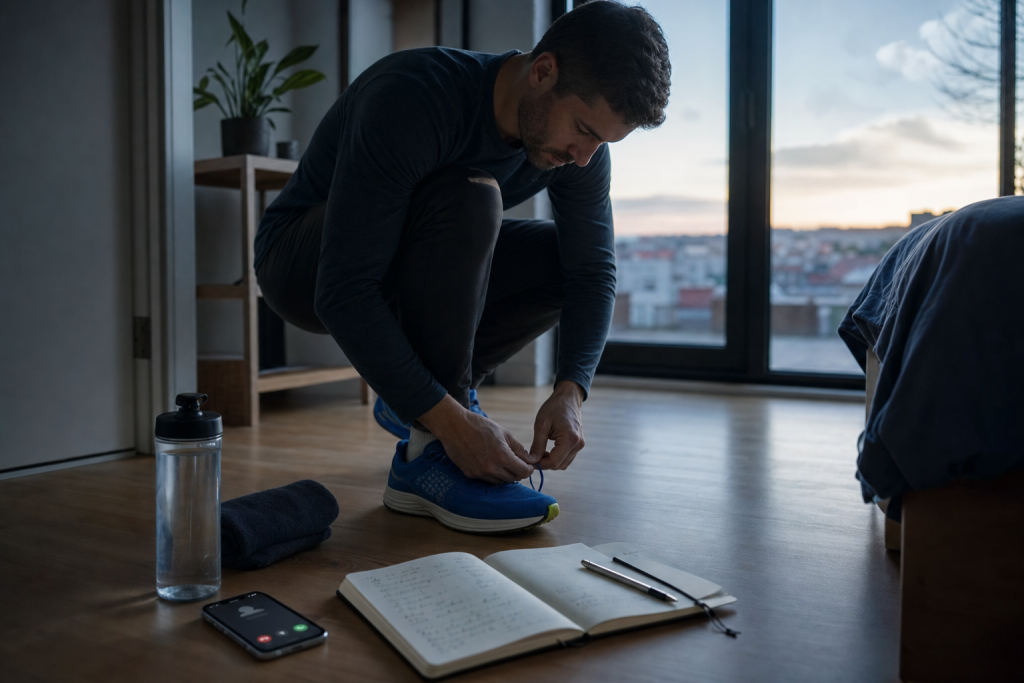
Willpower and Sobriety are often linked together, but staying sober usually takes more than simply “trying harder.” Many people stop drinking or using for a while, only to feel shocked when cravings, stress, anger, shame, or loneliness pull them toward another harmful pattern. Hypnosis Sudbury provides private hypnosis, counselling, and recovery-focused support for people seeking meaningful change, including people who feel stuck after stopping a primary addiction. This does not mean willpower is useless. It means willpower works best when it is backed by tools, support, emotional healing, and a clear relapse prevention plan. If you have ever thought, “I stopped, so why do I still feel stuck?” you are not alone.
Table of Contents
- Why Willpower and Sobriety Need More Support
- History: How Sobriety Was Once Framed
- Trends: What Research Says About Addiction and the Brain
- Challenges: Why Staying Sober Can Feel So Hard
- Comparing Recovery Methods and Supports
- Future Prospects: A More Personal Kind of Recovery
- FAQ
- Location
- Conclusion
Why Willpower and Sobriety Need More Support
Willpower and sobriety can work together, but willpower alone often breaks down under pressure. Think of willpower like a phone battery. It may be strong in the morning, but after stress, conflict, poor sleep, hunger, or emotional pain, that battery drains. By evening, the brain may look for fast relief, even if the person truly wants to stay sober. This is why relapse prevention is not just about saying no. It is also about knowing what drains you, what restores you, and what to do before cravings become too intense.
In alcohol recovery, people often focus on the visible behaviour: drinking, gambling, using drugs, watching pornography, overeating, or escaping into work. But the behaviour may be only the surface. Underneath, there may be anxiety, grief, guilt, shame, fear, anger, or old emotional wounds. Stopping the behaviour is important, but it may not automatically remove the pain that helped drive it. This is one reason some people stop one harmful pattern and then slide into another one. The goal is not to blame the person. The goal is to understand the pattern with honesty and care.
History: How Sobriety Was Once Framed
For many years, addiction was often seen as a moral weakness or a lack of discipline. People were told to “smarten up,” “be stronger,” or “just stop.” This way of thinking caused a lot of shame and silence. It also ignored what many families, doctors, counsellors, and people in recovery could see clearly: addiction is more complex than choice alone. While personal responsibility matters, it is only one part of the story.
Over time, alcohol recovery and addiction support began to include medical care, counselling, peer support, trauma-informed therapy, medication when appropriate, and long-term relapse prevention planning. Groups like Alcoholics Anonymous helped many people by offering community, structure, and shared experience. Rehabilitation programs gave people safe spaces to step away from daily triggers. Counselling helped people talk through emotions and patterns. These supports are not competing teams. Different people may need different methods, or a mix of several supports, depending on their needs, health, risks, and goals.
Trends: What Research Says About Addiction and the Brain
Modern research shows that addiction affects brain systems linked to reward, stress, memory, and decision-making. In simple terms, the brain learns that a substance or behaviour brings fast relief or pleasure. Over time, it may start pushing the person toward that relief even when the consequences are serious. This helps explain why staying sober can feel easy on some days and nearly impossible on others. According to U.S. government health information, millions of people experience substance use disorders each year, showing that this is a widespread health issue, not a rare personal failure.
Cravings can also be tied to cues. A cue is a trigger that reminds the brain of the old behaviour. It might be payday, a certain road, a casino ad, an empty house, a fight with a partner, or the feeling of being rejected. The cue tells the brain, “This is when we escape.” That message can arrive quickly, before the thinking part of the brain fully catches up. This is why a strong recovery plan must prepare for real-life moments, not just ideal days.
Challenges: Why Staying Sober Can Feel So Hard
One major challenge is emotional overload. A person may stop drinking, but then feel everything more sharply. Stress may feel louder. Regret may feel heavier. Relationships may feel tense. Without the old escape, the person may not know what to do with those feelings. This can lead to replacement behaviours such as overeating, gambling, pornography, excessive work, anger, shopping, gaming, isolation, or constant screen use.
Another challenge is shame. Guilt means, “I did something wrong.” Shame means, “There is something wrong with me.” Guilt can sometimes guide repair. Shame often leads to hiding, avoiding, and self-attack. Not every addiction or compulsive behaviour is caused by shame, but shame can be a powerful part of the cycle for many people. When someone believes they are broken, they may use escape to get relief from that belief. Then the escape creates more consequences, and the shame grows stronger.
There are also practical risks. Poor sleep, untreated anxiety or depression, chronic pain, social pressure, financial stress, and unsafe environments can all raise relapse risk. Withdrawal from alcohol or drugs can be medically dangerous for some people, so anyone at risk should seek medical advice or emergency support when needed. Recovery is not about proving toughness. It is about building safety, structure, and support.
Comparing Recovery Methods and Supports
There is no single recovery path that works for everyone. Peer support can offer connection and accountability. Medical care can help with withdrawal, medication options, and health monitoring. Counselling can help people understand emotions, thoughts, trauma, relationships, and coping patterns. Residential treatment may help when someone needs a higher level of support. Coaching-style recovery support may help with goals, habits, and identity rebuilding. Each method has strengths, and many people benefit from combining approaches.
The F.E.A.R. Method is one private recovery option, not the only valid approach. It is a six-month, private, one-on-one transformation program mainly designed for men aged 32 and older who have stopped a primary addiction but continue switching into other compulsive behaviours. These may include gambling, pornography, overeating, excessive work, anger, isolation, shopping, gaming, or constant screen use. The program was created by Gilles Brideau, M.A., a registered psychotherapist, certified hypnotist, and men’s recovery coach with 34 years of experience in mental health and addictions. Services are delivered privately online, making support available to clients across Canada.
The name F.E.A.R. has two meanings. “F*ck Everything And Run” describes avoiding pain through substances, distraction, or compulsive behaviour. “Face Everything And Recover” describes turning toward the pain with support instead of running from it. The program also has four stages: Foundation, Empowerment, Awakening, and Rebirth. In everyday language, this means understanding the story, learning tools for emotional reactions, exploring deeper patterns, and rebuilding identity and purpose. Methods may include conversational hypnosis, bilateral stimulation, emotional regulation strategies, shame-focused recovery work, forgiveness work, and inner-child work. These tools are used carefully and privately, without promising guaranteed outcomes.
Future Prospects: A More Personal Kind of Recovery
The future of relapse prevention is becoming more personal. Instead of asking only, “How do we stop the behaviour?” many recovery professionals also ask, “What is the behaviour doing for the person?” Is it numbing pain? Creating control? Blocking loneliness? Managing fear? Replacing one escape with another? When those questions are explored safely, recovery can become deeper and more practical.
Technology is also changing support. Online sessions now make private care easier for people who live far from services, travel often, or want more privacy. Apps, telehealth, online groups, and digital reminders can help with daily structure. At the same time, technology is not a replacement for human connection when deeper support is needed. For many people, the best future plan may include professional support, peer connection, healthy routines, honest self-reflection, and clear steps for high-risk moments.
Actionable steps can be simple. Track your strongest triggers for two weeks. Create a list of three people or services you can contact before a crisis. Plan what you will do during the first 20 minutes of a craving, such as walking, breathing, calling someone, eating, showering, or leaving the risky place. Build a weekly routine that includes sleep, movement, meals, connection, and quiet time. Staying sober becomes more realistic when the plan is built for your actual life, not an imaginary perfect version of it.
FAQ
Q&A
Question: Why is willpower not enough for staying sober?
Answer: Willpower can help in short moments, but cravings, stress, emotional pain, and old habits can weaken it. A stronger plan usually includes support, coping tools, trigger awareness, emotional regulation, and relapse prevention strategies.
Question: Can The F.E.A.R. Method replace counselling, AA, medical care, or rehab?
Answer: The F.E.A.R. Method is one private recovery option. It does not replace emergency care, medical detox, medication, peer support, counselling, or rehabilitation when those are needed. Many people benefit from a combination of supports.
To learn more and view our other blogs, click here,
Location
Conclusion
Willpower and Sobriety matter, but willpower is only one tool in a much larger toolbox. Long-term alcohol recovery often requires emotional honesty, practical planning, safe support, and new ways to respond to pain. If one harmful behaviour has been replaced by another, it may be a sign that the deeper pattern needs attention, not a sign of failure. Recovery can include medical care, counselling, peer support, private programs, family support, and daily habit changes. The most helpful path is usually the one that fits the person’s real needs, risks, and life circumstances. With the right support, staying sober can become less about fighting yourself and more about learning how to care for yourself in a new way.
The photos used in this blog are for demonstration purposes only.