

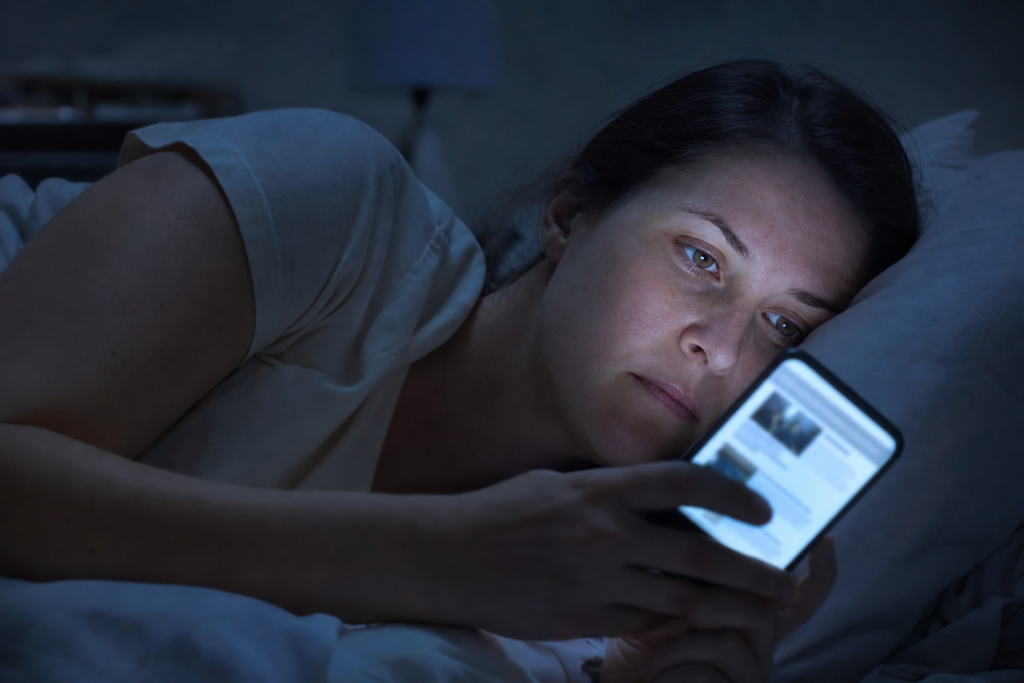
Doom Scrolling and Anxiety can feel like a nightly trap: one more headline, one more refresh, one more video, and suddenly an hour is gone.
If this sounds familiar, you are not alone. Many people use their phones to feel informed, safe, or prepared, yet the habit can leave them more tense, restless, and disconnected. Hypnosis Sudbury provides private hypnosis, counselling, and recovery-focused support for people seeking meaningful change, including those who feel stuck in cycles of compulsive behaviour, emotional stress, and avoidance. Doom scrolling is not just “bad phone use.” For some people, it becomes a way to manage fear, uncertainty, loneliness, or the need for control when life feels unpredictable.
Table of Contents
- History: How Doom Scrolling Became Normal
- Doom Scrolling and Anxiety: Why the Brain Keeps Checking
- Trends: Technology Addiction and the Search for Control
- Challenges: When Scrolling Becomes Emotional Avoidance
- Future Prospects: Healthier Ways to Use Technology
- FAQ
- What to Expect from Deeper Recovery Support
- Conclusion
History: How Doom Scrolling Became Normal
Doom scrolling means repeatedly consuming upsetting news, social media posts, or online content, often for longer than intended. The term became widely used during the COVID-19 pandemic, but the behaviour existed long before that. News used to arrive in set windows, such as the morning paper or evening broadcast. Now, difficult information is available every second of the day. A phone can turn into a pocket-sized alarm system, always ready to warn you about the next crisis.
This matters because the brain is built to notice danger. In the past, scanning for threats helped people survive. Today, that same threat system can be triggered by war updates, financial fears, health scares, political conflict, and personal comparison online. Pew Research Center has reported that most adults now get news through digital devices, which means stress-related content is never far away. The habit can start as “staying informed,” then slowly become a loop of checking, worrying, and checking again.
Doom Scrolling and Anxiety: Why the Brain Keeps Checking
Doom Scrolling and Anxiety often feed each other. Anxiety creates uncertainty, and uncertainty pushes the mind to search for answers. When someone refreshes the feed, they may feel a small burst of relief because they are “doing something.” But that relief often fades quickly, especially when the next post brings more fear. This creates a loop: worry, scroll, temporary relief, more worry.
The subconscious mind is the part of the mind that handles automatic patterns, emotional reactions, and learned responses. In simple terms, it is the part of you that reacts before you have fully thought things through. If your nervous system has learned that being prepared keeps you safe, doom scrolling may feel like protection. But the body may respond as if every headline is a personal emergency. Over time, this can increase tension, poor sleep, irritability, and trouble focusing.
Trends: Technology Addiction and the Search for Control
Technology addiction is not always about pleasure. Sometimes it is about escape, control, or emotional relief. Many apps are designed to keep attention for as long as possible through endless feeds, alerts, likes, and rapid updates. This is similar to a slot machine effect: you never know when the next post will bring something important, shocking, funny, or reassuring. That uncertainty keeps the brain engaged.
For example, someone may open their phone after work to check one news story. Soon they are reading comments, watching reaction videos, and comparing opinions across several platforms. They may tell themselves they are becoming informed, but their body is getting more stressed. The real need may not be information. It may be the need for control in a world that feels too fast, too loud, or too unsafe.
According to the World Health Organization, hundreds of millions of people worldwide live with anxiety disorders. Not every anxious person doom scrolls, and not every person who doom scrolls has an anxiety disorder. Still, the connection between constant threat-based content and emotional stress is important. When technology becomes the main coping tool, it can slowly replace sleep, movement, relationships, hobbies, and quiet time.
Challenges: When Scrolling Becomes Emotional Avoidance
One challenge with doom scrolling is that it can look productive from the outside. A person may say, “I just want to know what’s going on.” That may be true. But if the behaviour keeps going after the person feels tense, tired, or upset, something deeper may be happening. The scrolling may be a way to avoid sadness, shame, anger, grief, boredom, or loneliness.
This is where recovery-focused work can be helpful. Some people stop one harmful behaviour, such as alcohol, drugs, gambling, pornography, overeating, or another compulsive pattern, only to find themselves switching into excessive screen use, shopping, gaming, work, or isolation. This does not mean they have failed. It may mean the visible behaviour changed, while the emotional pattern underneath still needs care.
The F.E.A.R. Method was created by Gilles Brideau, M.A., a registered psychotherapist, certified hypnotist, and men’s recovery coach with 34 years of experience in mental health and addictions. It is a six-month, private, one-on-one transformation program primarily designed for men aged 32 and older who have stopped a primary addiction but continue replacing it with other compulsive behaviours. The program does not treat doom scrolling as a character flaw. It looks at the emotional cycle beneath the habit.
F.E.A.R. has two meanings:
- F*ck Everything And Run describes avoiding pain through substances, compulsive behaviour, distraction, or escape.
- Face Everything And Recover describes turning toward the underlying pain and beginning deeper recovery.
Future Prospects: Healthier Ways to Use Technology
The future of technology will likely bring more artificial intelligence, more personalized feeds, and more content designed to hold attention. This means people may need stronger emotional tools, not just stronger passwords or app limits. Helpful technology habits can include setting news windows, turning off non-essential alerts, keeping the phone outside the bedroom, and choosing one or two trusted news sources instead of jumping between many platforms.
A simple approach is to ask, “What am I hoping this scroll will give me?” If the answer is safety, certainty, distraction, or relief, pause before continuing. Try a two-minute reset: place both feet on the floor, breathe slowly, name five things you can see, and notice whether your body is tense. This does not solve every problem, but it creates space between the urge and the action. That space is where choice begins.
Different methods help different people. Some benefit from counselling, peer support, medical care, medication, recovery meetings, rehabilitation, coaching, or a mix of services. If anxiety, withdrawal symptoms, self-harm thoughts, severe depression, or crisis feelings are present, professional or emergency support is important. No single program is right for everyone, and no ethical support should promise guaranteed outcomes.
FAQ
Q&A
Question: Why do I keep doom scrolling even when it makes my anxiety worse?
Answer: You may be trying to reduce uncertainty or feel more prepared. The problem is that constant checking can train the brain to expect danger. Instead of feeling safer, your nervous system may stay on alert. A helpful first step is to notice the feeling before the scroll, such as fear, boredom, anger, or loneliness.
Question: Is doom scrolling the same as technology addiction?
Answer: Not always. Doom scrolling can be a habit, a stress response, or part of a larger technology addiction pattern. It becomes more concerning when it feels hard to stop, affects sleep or relationships, increases anxiety, or replaces healthier coping tools. Support may help if willpower alone has not been enough.
What to Expect from Deeper Recovery Support
The F.E.A.R. Method is built around four stages: Foundation, Empowerment, Awakening, and Rebirth. Foundation explores the person’s story, emotional triggers, shame cycle, and repeated behaviour patterns. Empowerment focuses on practical tools for managing anxiety, anger, guilt, shame, cravings, and difficult reactions. Awakening may include conversational hypnosis, forgiveness work, inner-child work, and bilateral stimulation, which means using left-right stimulation to support emotional processing. Rebirth focuses on identity, confidence, purpose, relationships, and long-term strategies.
The complete program includes six private sessions over the first three months, followed by three monthly Rebirth Sessions, creating six months of support. The key idea is that stopping the visible behaviour may not fully resolve the pain underneath it. Guilt means “I did something wrong.” Shame means “There is something wrong with me.” When people can explore these patterns without judgment, they may begin to respond to stress in healthier ways.
To learn more and view our other blogs, click here,
Conclusion
Doom scrolling is not just a phone problem. It can be a sign that the mind and body are trying to manage fear, uncertainty, and the need for control. While staying informed can be useful, constant exposure to upsetting content can increase anxiety and keep the nervous system on high alert. Healthier change often starts with curiosity instead of self-criticism. When people understand the emotional pattern beneath the behaviour, they can begin building better ways to feel safe, present, and connected.
The photos used in this blog are for demonstration purposes only.