

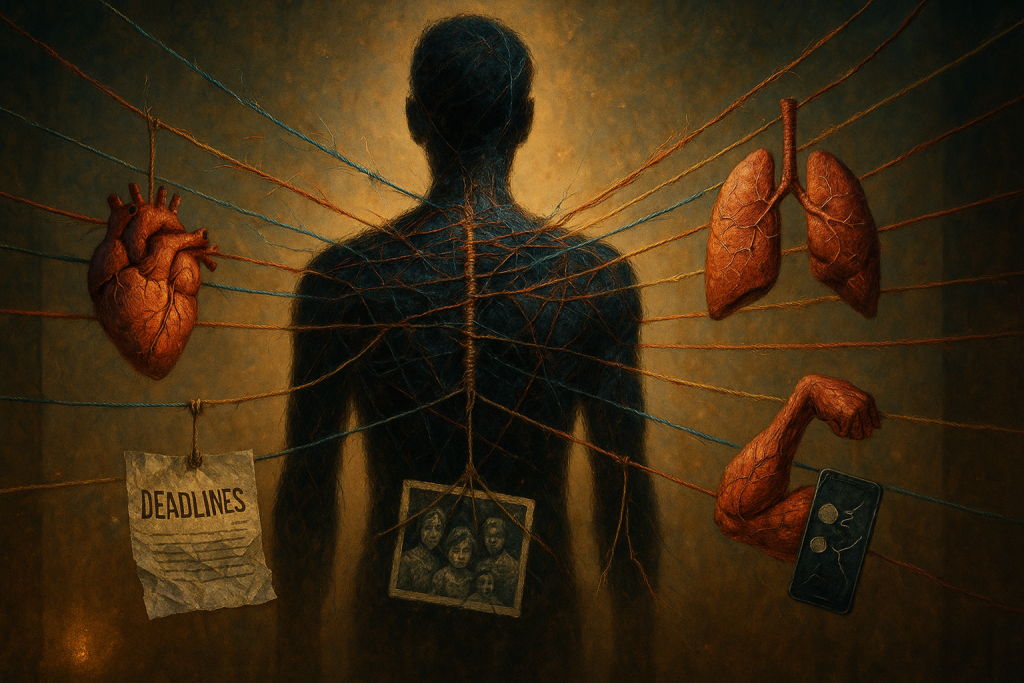
Understanding the Effects of Stress on Physical Health
The effects of stress on physical health can sneak up on anyone, causing a long list of problems that may surprise you. Many people are aware that stress affects mood, but few realize the serious impact it has on the body. At Hypnosis Sudbury, people learn how to manage stress before it leads to health worries.
Table of Contents
- A Brief History of Stress and Body Health
- Common Physical Symptoms of Stress
- The Impact of Chronic Stress on Health
- What the Numbers Reveal: Data & Research
- Managing Stress: What Works and What Doesn’t
- Future Trends in Tackling Stress-Related Health Problems
- How Hypnosis Sudbury Can Help
- Interesting FAQ
A Brief History of Stress and Body Health
Stress as a health problem did not get much attention until the twentieth century. Early research by scientist Hans Selye in the 1930s showed how stress leads to changes in the body. Selye coined the term “general adaptation syndrome,” noting that both short-term (acute) and long-term (chronic) stress could cause harm. Over time, society began to notice how heart disease, ulcers, headaches, and other problems often followed times of high stress.
Today, we understand stress is more than just “feeling anxious.” It’s part of a chain reaction affecting nearly every part of our health. As research advanced, it confirmed that stress and body health go hand in hand.
Common Physical Symptoms of Stress
The most obvious physical symptoms of stress are often brushed aside until they get worse. Watch out for:
- Headaches (including migraines)
- Muscle tension, back or neck pain
- Digestive troubles like nausea or stomach aches
- Insomnia and trouble sleeping
- Increased sweating and rapid heartbeat
- Changes in appetite and weight
- Feeling tired, even after sleeping
Ignoring these symptoms can lead to more serious stress-related health problems down the road. The body is trying to warn you that it’s overwhelmed.
The Impact of Chronic Stress on Health
While a little stress can be motivating, chronic stress—the kind that lingers day after day—can be especially dangerous. Over time, the brain produces more cortisol (the stress hormone), leading to inflammation and a weakened immune system.
The impact of chronic stress is linked to:
- High blood pressure and heart disease
- Type 2 diabetes
- Frequent colds and infections
- Anxiety, depression, and memory problems
According to the American Psychological Association, up to 77% of people experience physical symptoms of stress every month. Prolonged stress changes how the body manages energy, sleeps, and even digests food, proving the real impact of chronic stress.
What the Numbers Reveal: Data & Research
Research into the effects of stress on physical health gets clearer each year. The Centers for Disease Control and Prevention (CDC) estimates that workplace stress alone costs businesses over $300 billion a year in lost productivity, sick days, and medical costs.
A landmark study by Harvard researchers shows people with high levels of stress are 33% more likely to suffer from a heart attack. Further, studies prove an increase in cortisol from daily stressors leads to higher risks of obesity and chronic illnesses.
With numbers like these, it’s no wonder the World Health Organization describes stress as the “health epidemic of the 21st century.”
Managing Stress: What Works and What Doesn’t
When it comes to managing stress-related health problems, not all strategies are made equal. Some common methods include:
- Exercise and movement to reduce tension
- Mindfulness, meditation, and deep breathing
- Regular sleep routines and healthy eating
- Social time and talking with friends or loved ones
- Limiting caffeine and alcohol
Quick fixes like unhealthy comfort foods or scrolling on your phone may offer temporary relief but rarely help long-term. Instead, habits like deep breathing, getting outside, or practicing guided hypnosis tend to offer longer-lasting results. Experts at clinics like Hypnosis Sudbury focus on practical, action-based approaches.
Future Trends in Tackling Stress-Related Health Problems
Awareness of the effects of stress on physical health is encouraging new trends in wellness. Many workplaces now offer stress-reduction programs. Apps and wearable tech track stress, helping people adjust on the spot.
Professional support, such as hypnosis and cognitive-behavioral therapy, is gaining popularity. There’s also a growing trend toward using alternative medicine—including acupuncture, yoga, and art therapy—to relieve symptoms and prevent the impact of chronic stress.
Moving forward, expect even more integration of technology, guided therapies, and early intervention in treating stress and body health issues.
How Hypnosis Sudbury Can Help
With years of experience, Hypnosis Sudbury uses cutting-edge strategies and tools to help people manage stress, quit smoking, and lose weight. By focusing on root causes, not just symptoms, their approach supports healthier habits for life. The goal is to guide each person toward real, lasting relief from stress and its physical symptoms.
Their programs are customized to each client, helping break unhealthy cycles and improve overall well-being. Reaching out for support is an important step toward taking back control over stress and body health.
Interesting FAQ
- Q: Can stress cause long-term health problems even if I feel fine?
A: Yes, ongoing stress can quietly affect your immune system, heart, and digestion, often showing symptoms only once problems become more serious. - Q: What are the early signs that stress is hurting my health?
A: Look out for frequent headaches, sleeping issues, ongoing fatigue, and stomach upsets—these are key physical symptoms of stress. - Q: Are natural remedies helpful for managing stress-related health problems?
A: Practices like yoga, meditation, and hypnosis can lower stress and reduce harmful physical effects when done regularly. - For more details on how best to address stress and body health, check out this informative guide from Healthline.
To learn more and view our other blogs, click here.
At its root, most addictive behaviors trace back to one cause — and it can be overcome. Discover the FEAR Method →