

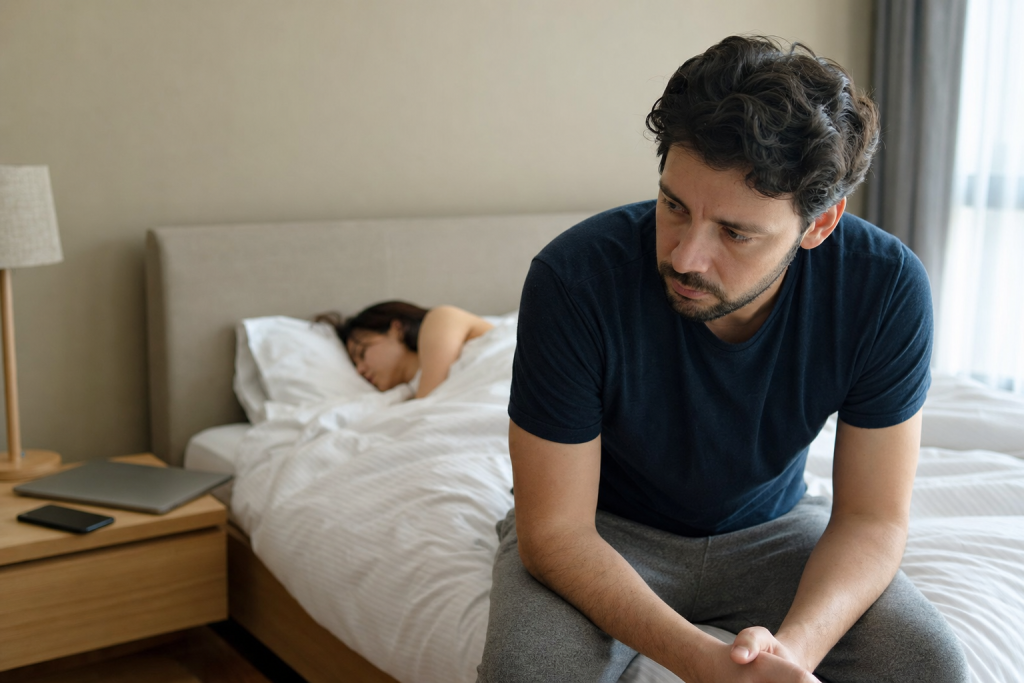
Erectile Dysfunction and Porn is a topic many people avoid, yet it can affect confidence, relationships, and overall sexual health in very real ways. For some men, especially those who have stopped alcohol, drugs, gambling, or another harmful behaviour, porn can quietly become a replacement pattern. Hypnosis Sudbury provides private hypnosis, counselling, and recovery-focused support online across Canada, including The F.E.A.R. Method for men who feel stuck after stopping a primary addiction. This does not mean porn is always the cause of erectile dysfunction. ED can involve blood flow, hormones, stress, medication, anxiety, relationship pressure, sleep, trauma, or medical conditions. But when porn use becomes compulsive, secretive, or hard to stop, it may be worth looking at the emotional pattern underneath it.
Table of Contents
- History: How Porn Changed Over Time
- Erectile Dysfunction and Porn: What May Be Happening
- Current Trends in Porn Use and Sexual Health
- Challenges: Shame, Secrecy, and Replacement Behaviours
- Future Prospects: What Support May Look Like
- Where The F.E.A.R. Method Fits
- FAQ
History: How Porn Changed Over Time
Years ago, porn was harder to access. A person might have found magazines, rented videos, or watched late-night content. Today, smartphones have changed everything. Porn is private, fast, endless, and available at any time. That shift matters because the brain can begin to link sexual arousal with novelty, speed, scrolling, and intense stimulation rather than real-life connection.
This does not mean every person who watches porn will develop a problem. Many people use sexual content without feeling controlled by it. The concern begins when someone feels unable to stop, needs more extreme content to feel aroused, or starts losing interest in partnered intimacy. In that case, the issue may not only be about sex. It may also involve stress relief, escape, loneliness, anxiety, or emotional pain.
Erectile Dysfunction and Porn: What May Be Happening
Erectile Dysfunction and Porn can be connected for some people through conditioning. Conditioning means the brain learns a pattern through repetition. For example, if sexual arousal is repeatedly paired with a screen, fast switching, and high novelty, the body may become less responsive in slower, real-life moments. This is sometimes called porn-related ED, which means erection problems that appear linked to heavy or compulsive porn use.
Still, ED should never be explained by one cause without proper care. Physical health matters. The National Institute of Diabetes and Digestive and Kidney Diseases notes that ED affects about 30 million men in the United States. Risk factors may include diabetes, heart disease, high blood pressure, smoking, depression, stress, and certain medications. If ED appears suddenly, is ongoing, or comes with pain or other symptoms, a medical professional should be involved.
A real-world example may help. Imagine a man who stopped drinking two years ago. He feels proud, but he also feels restless, lonely, and emotionally numb at night. Porn becomes his main way to shut off his mind. Over time, he notices he can respond to porn but feels anxious or disconnected with a partner. The visible issue may be sexual performance, but the deeper pattern may include avoidance, fear, pressure, and unresolved emotional pain.
Current Trends in Porn Use and Sexual Health
Research on porn use is still growing, and experts do not all agree on the same explanation. Some studies suggest frequent porn use may be linked with lower sexual satisfaction for some people, while other research shows the connection depends on values, relationship quality, mental health, and whether use feels controlled or compulsive. In simple terms, frequency alone may not tell the whole story. The more useful question is: Is this behaviour helping your life, or quietly taking over parts of it?
Another trend is younger men talking more openly about porn-related ED online. Some report better erections after reducing porn, while others need medical care, therapy, relationship repair, or support for anxiety. Different people need different methods. Peer support, counselling, medical treatment, couples therapy, medication, and recovery programs can all have a place. A balanced approach is healthier than blaming porn for everything or pretending it never matters.
Challenges: Shame, Secrecy, and Replacement Behaviours
One of the hardest parts of porn addiction or compulsive porn use is secrecy. A person may feel trapped between wanting connection and hiding the behaviour. Shame can then make the cycle worse. Guilt says, “I did something wrong.” Shame says, “There is something wrong with me.” That difference matters because shame often pushes people toward more hiding, more escape, and more compulsive behaviour.
At the same time, shame is not the only reason people develop compulsive patterns. Porn use may also be connected to boredom, stress, trauma, anxiety, depression, relationship conflict, habit, sleep problems, or easy access. Some people also replace one behaviour with another after stopping a primary addiction. Alcohol may stop, but overeating, gaming, gambling, pornography, anger, shopping, work, or constant screen use may increase. This does not mean someone has failed. It may mean the original behaviour was only one part of a larger emotional pattern.
Common signs that support may be useful include:
- Trying to stop or reduce porn use but repeatedly returning to it.
- Using porn to escape stress, sadness, anger, loneliness, or shame.
- Losing interest in partnered intimacy or feeling disconnected during sex.
- Needing more intense or novel content over time.
- Feeling anxious, secretive, or distressed about sexual behaviour.
Future Prospects: What Support May Look Like
The future of support for erectile dysfunction and porn will likely become more blended. Instead of treating ED as only physical or only psychological, more professionals are looking at the whole person. This may include medical screening, mental health support, relationship conversations, stress management, and behaviour change. Technology may also play a role through telehealth, online therapy, private coaching, and digital tracking tools.
If someone is concerned, a helpful first step is to speak with a doctor to rule out medical causes. The next step may be looking at patterns without panic. Try noticing when porn use happens, what emotion comes before it, and what feeling comes after it. Some people benefit from reducing access, setting screen limits, improving sleep, exercising, talking with a partner, or working with a trained professional. The goal is not self-punishment. The goal is honest awareness and healthier choices.
Where The F.E.A.R. Method Fits
The F.E.A.R. Method is one private recovery option, not the only valid path. It is a six-month, private, one-on-one transformation program mainly designed for men aged 32 and older who have stopped a primary addiction but keep switching to other compulsive behaviours. These may include pornography, overeating, gambling, anger, isolation, excessive work, gaming, shopping, or constant screen use. The program was created by Gilles Brideau, M.A., a registered psychotherapist, certified hypnotist, and men’s recovery coach with 34 years of experience in mental health and addictions.
F.E.A.R. has two meanings. F*ck Everything And Run describes avoiding pain through substances, compulsive behaviour, distraction, or escape. Face Everything And Recover describes turning toward the deeper pain and building new responses. The four stages are Foundation, Empowerment, Awakening, and Rebirth. In everyday terms, this means understanding the story, learning tools for emotions and cravings, exploring deeper patterns, and rebuilding identity, confidence, purpose, and relationships.
The complete program includes six private sessions over the first three months, followed by three monthly Rebirth Sessions, creating six months of support. It may include conversational hypnosis, bilateral stimulation, emotional regulation tools, shame-focused recovery work, and identity rebuilding. Conversational hypnosis means using focused conversation and guided attention to explore patterns beneath the surface. Bilateral stimulation means gently engaging both sides of the body or attention, often used to support emotional processing. These tools are not magic fixes, and outcomes are not guaranteed, but they may help some people explore why the same cycle keeps repeating.
FAQ
Q&A
Question: Can porn cause erectile dysfunction?
Answer: Porn may contribute to ED for some people, especially when use becomes compulsive, highly stimulating, or linked to anxiety and avoidance. However, ED can also be caused by medical conditions, medications, stress, depression, relationship concerns, or hormone changes. A medical checkup is a wise first step.
Question: What should I do if I stopped one addiction but replaced it with porn?
Answer: This can happen when the deeper emotional pattern has not been addressed. You may benefit from support that looks at triggers, shame, stress, loneliness, and identity after stopping the primary behaviour. Options may include counselling, peer support, medical care, recovery coaching, or a private program such as The F.E.A.R. Method.
To learn more and view our other blogs, click here,
Conclusion
Erectile Dysfunction and Porn can be a difficult subject because it touches sex, confidence, relationships, and private habits. The key is to avoid simple blame and look at the full picture. Porn may be part of the issue for some people, but ED can also involve physical health, mental health, stress, medication, and relationship factors. If porn use feels compulsive or has become a replacement behaviour after stopping another addiction, deeper support may help. With the right mix of medical care, emotional support, honest reflection, and practical tools, change can become more possible without shame or judgment.
The photos used in this blog are for demonstration purposes only.