

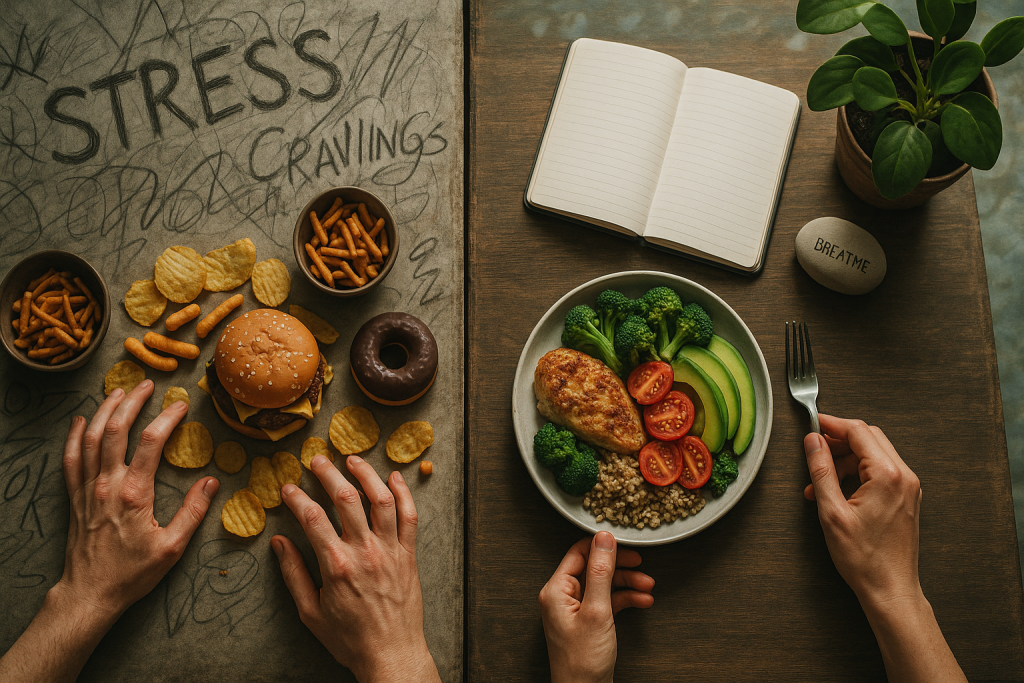
How to Master Stress-Induced Eating Prevention: Simple Steps for a Healthier You
Stress-induced eating prevention is a key focus for anyone who wants to build a healthy relationship with food, especially during overwhelming moments. Many people in Sudbury and beyond struggle with eating more than they need when life gets busy or challenging. At Hypnosis Sudbury, we know that preventing emotional eating and stopping eating from stress can transform both your body and mind.
Table of Contents
- The History Behind Stress-Induced Eating
- Changing Trends in Stress-Induced Eating Prevention
- Modern Challenges and Why We Eat Under Stress
- The Future of Stress-Induced Eating Prevention
- How to Avoid Emotional Eating: Actionable Steps
- Hypnosis for Stress Eating: Does It Work?
- Healthy Ways to Cope with Stress and Food
- Why Choose Hypnosis Sudbury?
- Where to Find Us
- Interesting FAQ
The History Behind Stress-Induced Eating
People have been turning to food for comfort since ancient times. When our ancestors faced stress, like danger or food scarcity, their bodies released hormones such as cortisol. This hormone can trigger cravings, particularly for high-calorie treats. This survival mode helped our ancestors, but today it leads people to eat comfort foods, even if they’re not truly hungry. Over time, stress-induced eating became a common way to cope with emotional ups and downs, leading to familiar habits like snacking after a tough day.
Changing Trends in Stress-Induced Eating Prevention
Modern lifestyles and pressures have increased the need for new strategies around stress-induced eating prevention. Nowadays, people are more aware of health and wellness. More Canadians than ever before are trying to stop eating from stress by turning to therapies, self-help books, and apps targeting mindful eating under stress. In fact, a 2023 survey by Statistics Canada revealed that about 35% of adults have tried to limit emotional eating, showing a growing trend toward prevention and awareness.
Modern Challenges and Why We Eat Under Stress
Despite increased awareness, avoiding emotional eating can be tough. Some key challenges include:
- Busy and unpredictable schedules
- Easy access to unhealthy snacks
- Lack of knowledge about healthy ways to cope with stress
- Strong cultural ties to comfort food
Many people also mistake emotional hunger for physical hunger. Emotional cues can be sudden and urgent, often pushing us to grab chips or sweets without thinking. Take a moment to pause and ask, “Am I really hungry, or am I just stressed?” That simple check-in can go a long way in stress-induced eating prevention.
The Future of Stress-Induced Eating Prevention
The future looks promising, with more evidence-based approaches being developed every year. Digital health tools, online therapy, and practical guides on how to avoid emotional eating are making support more accessible. Experts predict more people will use mindfulness practices, specialized diet plans, and personalized coaching. The emerging field of automation also suggests that wearables could detect stress and alert users when they’re at risk of emotional eating. Research even points toward hypnosis for stress eating as a reliable solution to break old patterns and form lasting healthy habits.
How to Avoid Emotional Eating: Actionable Steps
- Practice mindful eating under stress by slowing down and savoring each bite. Focus on taste, texture, and how you feel.
- Identify your emotional eating triggers. Keep a journal that tracks your feelings, time of day, and cravings.
- Plan ahead with healthy snacks like sliced veggies, fruit, or nuts—options that satisfy without guilt.
- Set routines for exercise, sleep, and self-care. Consistency can reduce stress and curb emotional eating.
- Stay hydrated; thirst is often mistaken for hunger.
- Use the “HALT” strategy: Ask yourself if you’re Hungry, Angry, Lonely, or Tired before reaching for food.
With regular practice, these steps promote long-term stress-induced eating prevention.
Hypnosis for Stress Eating: Does It Work?
Hypnosis for stress eating is gaining attention as a gentle and natural way to change your relationship with food. Licensed practitioners use guided relaxation to help you access your subconscious mind, making it easier to build new, healthier habits. Research including several clinical studies has shown that people who combined hypnosis with other lifestyle changes were more likely to maintain mindful eating under stress over time. This approach can help you:
- Identify the root causes of stress-induced eating
- Replace negative patterns with healthier responses
- Boost self-control and self-confidence
Healthy Ways to Cope with Stress and Food
It’s important to have alternative coping mechanisms besides food. Here are a few options:
- Engage in physical activity, such as a brisk walk or yoga
- Try deep breathing, guided imagery, or progressive muscle relaxation
- Reach out to friends or family for support
- Explore creative outlets like drawing, writing, or music
By exploring these healthy ways to cope with stress, you’ll notice how cravings decrease and your confidence grows.
Why Choose Hypnosis Sudbury?
With years of experience serving Sudbury and the surrounding area, Hypnosis Sudbury uses cutting-edge strategies and tools to help people manage stress, quit smoking, and lose weight. Our approach combines proven methods with compassionate support so you feel in control of your health journey. Our clients frequently report less emotional eating, improved coping skills, and a stronger sense of well-being—no matter what life brings.
Where to Find Us
Visit us for expert guidance and a supportive environment for your journey toward stress-induced eating prevention:
Interesting FAQ
- What’s the difference between emotional and physical hunger? Emotional hunger comes on suddenly and often craves specific comfort foods, while physical hunger develops gradually and is satisfied by a range of foods.
- How can mindful eating under stress help me lose weight? Mindful eating encourages awareness, helping you stop eating from stress and make healthier choices—which supports weight loss over time.
- Can hypnosis for stress eating really change my habits? Yes—research suggests that hypnosis can rewire your brain’s response to stress and help you adopt healthy coping strategies. To get started, check out the Mayo Clinic’s overview of hypnosis for health.
- Do I need professional help for stress-induced eating prevention? If self-help techniques aren’t working or if emotional eating is affecting your wellbeing, experts at Hypnosis Sudbury can help customize a plan for you.
- Is stress-induced eating prevention possible for everyone? With the right support and strategies, nearly anyone can reduce emotional eating and develop healthier habits.
To learn more and view our other blogs, click here.
At its root, most addictive behaviors trace back to one cause — and it can be overcome. Discover the FEAR Method →