

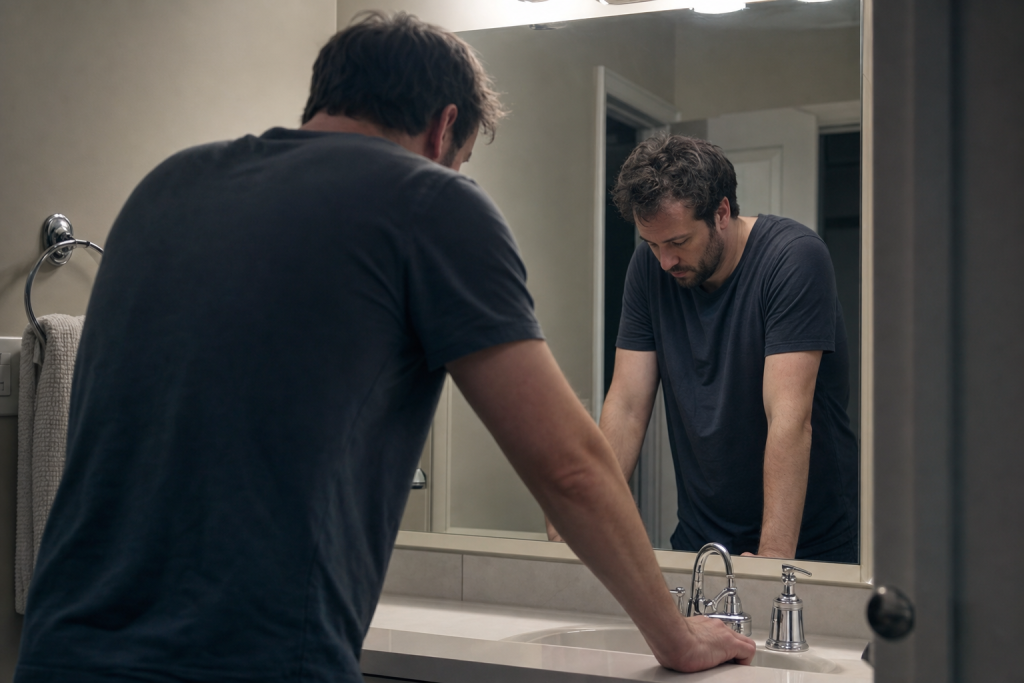
Shame Spiral is the painful loop where a person feels bad about a behaviour, uses substances or another escape to numb that feeling, then feels even worse afterward. For people dealing with Hypnosis Sudbury recovery support, this loop can show up after alcohol, drugs, gambling, pornography, overeating, anger, work, or screen use. It is not about being weak or broken. It is often about pain, fear, stress, and old emotional patterns that have never been fully understood. In drug addiction and other forms of substance use, shame can quietly push someone away from help and back toward escape. That is why addiction recovery often needs more than stopping the visible behaviour; it may also need emotional healing, support, and new ways to respond.
Table of Contents
- What Is the Shame Spiral?
- History: How Shame Became Linked to Addiction
- Trends: Why Replacement Behaviours Are So Common
- Challenges: Why Willpower Alone Often Falls Short
- Future Prospects: What Deeper Recovery May Look Like
- FAQ
- Conclusion
What Is the Shame Spiral?
A shame spiral often starts with a painful thought such as, “I messed up again,” or “Something is wrong with me.” Guilt and shame are not the same thing. Guilt says, “I did something wrong,” while shame says, “I am wrong.” That difference matters because guilt can sometimes lead to repair, while shame often leads to hiding. A person may use alcohol, drugs, food, pornography, anger, shopping, gaming, or isolation to escape the feeling for a short time. Then, when the escape wears off, the shame returns stronger, and the cycle repeats.
Imagine touching a hot stove and then blaming your whole identity instead of simply noticing the burn. That is what shame can do. It turns a behaviour into a belief about the self. In addiction recovery, this can make people feel like they are failing even when they are trying hard. Someone may stop drinking, for example, but then start overeating or working nonstop. The outside behaviour changes, but the inner pressure remains. This is why many people say, “I stopped, so why do I still feel stuck?”
History: How Shame Became Linked to Addiction
For a long time, society treated drug addiction and heavy substance use as moral problems instead of health and emotional issues. People were often judged, punished, or pushed into silence. That history still affects how many people see themselves today. Modern research now shows that addiction is connected to the brain, stress, trauma, environment, relationships, and mental health. The National Institute on Drug Abuse has described addiction as a treatable condition that affects brain circuits involved in reward, stress, and self-control. This does not remove personal responsibility, but it helps explain why change can feel so hard.
Shame also grows in families, workplaces, schools, and communities where people are told to “just stop” without being helped to understand what is underneath. For many men, especially those raised to hide pain, the message may be, “Don’t talk about it. Handle it yourself.” Over time, that silence can become emotional pressure. A person may appear successful on the outside while feeling empty, angry, or disconnected inside. The F.E.A.R. Method was created for people who have stopped a primary addiction but still find themselves switching into other compulsive behaviours. It looks at the deeper pattern, not just the surface habit.
Trends: Why Replacement Behaviours Are So Common
One major trend in recovery is the growing awareness of replacement behaviours. This means a person stops one harmful action but starts using another behaviour to manage the same emotional pain. For example, someone may stop using cocaine but begin gambling, overeating, working late every night, or scrolling for hours. The new behaviour may look more acceptable, but it can still create stress, secrecy, and loss of control. In everyday terms, it is like unplugging one alarm while the fire is still burning. The sound changes, but the problem has not been fully addressed.
Digital life has also made escape easier. Phones, streaming, online betting, adult content, shopping apps, and social media are available all day and night. Research from Statistics Canada and public health agencies has shown rising concern about mental health, loneliness, and problematic technology use, especially after the COVID-19 pandemic. These tools are not bad by themselves, but they can become a quick way to avoid uncomfortable feelings. A shame spiral may now happen quietly in a bedroom, car, office, or bathroom with a screen in hand. That makes private, non-judgmental support more important than ever.
Challenges: Why Willpower Alone Often Falls Short
Willpower can help in short bursts, but it is often not enough when the nervous system is overwhelmed. The nervous system is the body’s alarm and calming system. When someone feels shame, fear, anger, or panic, the body may react as if danger is present. In that state, the brain often looks for fast relief instead of long-term health. This is why a person can know exactly what they “should” do and still do the opposite. That does not mean they do not care; it may mean their coping system is overloaded.
The F.E.A.R. Method gives the word fear two meanings. “F*ck Everything And Run” describes avoiding pain through substances, compulsive behaviour, distraction, or escape. “Face Everything And Recover” describes turning toward the pain with support and learning safer ways to respond. The program also uses four stages: Foundation, Empowerment, Awakening, and Rebirth. These stages help explore the client’s story, emotional triggers, shame cycle, coping tools, subconscious patterns, and identity rebuilding. Methods may include conversational hypnosis, bilateral stimulation, emotional regulation strategies, forgiveness work, and inner-child work.
Conversational hypnosis means using focused, guided conversation to help a person access deeper thoughts, feelings, and patterns. Bilateral stimulation means using left-right stimulation, such as eye movements, tapping, or sound, to support emotional processing. These tools should not be seen as magic or guaranteed cures. They are possible supports within a wider recovery plan. Some people may also need medical care, withdrawal support, medication, counselling, peer support, crisis services, or rehabilitation. If someone may harm themselves or is in immediate danger, emergency support should be contacted right away.
Future Prospects: What Deeper Recovery May Look Like
The future of addiction recovery is becoming more person-centred. That means support is shaped around the person’s life, not only the behaviour they want to stop. Instead of asking only, “How do we stop the use?” more professionals are asking, “What pain is this behaviour helping the person survive?” This shift matters because many people have already tried meetings, therapy, rehab, medication, or willpower and still feel stuck. Those methods can be valuable, and for many people they are life-changing. But different people may need different combinations of care.
The F.E.A.R. Method is one private recovery option, especially for men aged 32 and older who have stopped a primary addiction but continue to feel trapped in other compulsive patterns. It was created by Gilles Brideau, M.A., a registered psychotherapist, certified hypnotist, and men’s recovery coach with 34 years of experience in mental health and addictions. The full program includes six private sessions over the first three months, followed by three monthly Rebirth Sessions, creating six months of support. The goal is to help clients explore emotional pain, shame, identity, relationships, and practical change. It is not about blaming the person. It is about understanding the pattern with honesty and respect.
For someone entering this kind of work, it can help to expect gradual change rather than instant relief. Useful steps may include tracking emotional triggers, noticing replacement behaviours, building calming tools, talking to a qualified professional, and creating a plan for high-risk moments. It can also help to use person-first language, such as “a person living with substance use challenges,” instead of reducing someone to a label. Small shifts in language can lower shame and make support feel safer. To learn more and view our other blogs, click here,
FAQ
For many people, the shame spiral can make it harder to reach out for help, because feelings of shame often prevent people with substance use disorder from seeking treatment.
Q&A
Question: Can a shame spiral happen even after someone stops using substances?
Answer: Yes. A person may stop alcohol, drugs, or another primary behaviour and still feel anxious, guilty, angry, empty, or disconnected. If the deeper emotional pain is still active, the mind may look for another outlet. This can lead to replacement behaviours such as overeating, gambling, pornography, overworking, gaming, or constant screen use. Support can help the person understand the pattern instead of judging themselves for it.
Question: Is shame the only reason people struggle with addiction?
Answer: No. Shame can be one part of the picture, but it is not the only possible cause. Addiction and compulsive behaviours can involve stress, trauma, brain changes, mental health concerns, pain, environment, family history, and social pressure. A respectful recovery plan looks at the whole person. Some people may benefit from counselling, medical care, peer support, medication, hypnosis, or a mix of services.
Conclusion
A shame spiral can keep a person trapped because it turns pain into secrecy and secrecy into more pain. When someone uses a substance or behaviour to escape that feeling, the relief may be real but short-lived. Deeper recovery often begins when the person can look at the pattern without being crushed by judgment. This may include learning emotional tools, getting professional support, rebuilding identity, and understanding the difference between guilt and shame. The path is not the same for everyone, and no single method fits all people. But with the right support, it is possible to move from hiding toward honest change, one step at a time.
The photos used in this blog are for demonstration purposes only.