

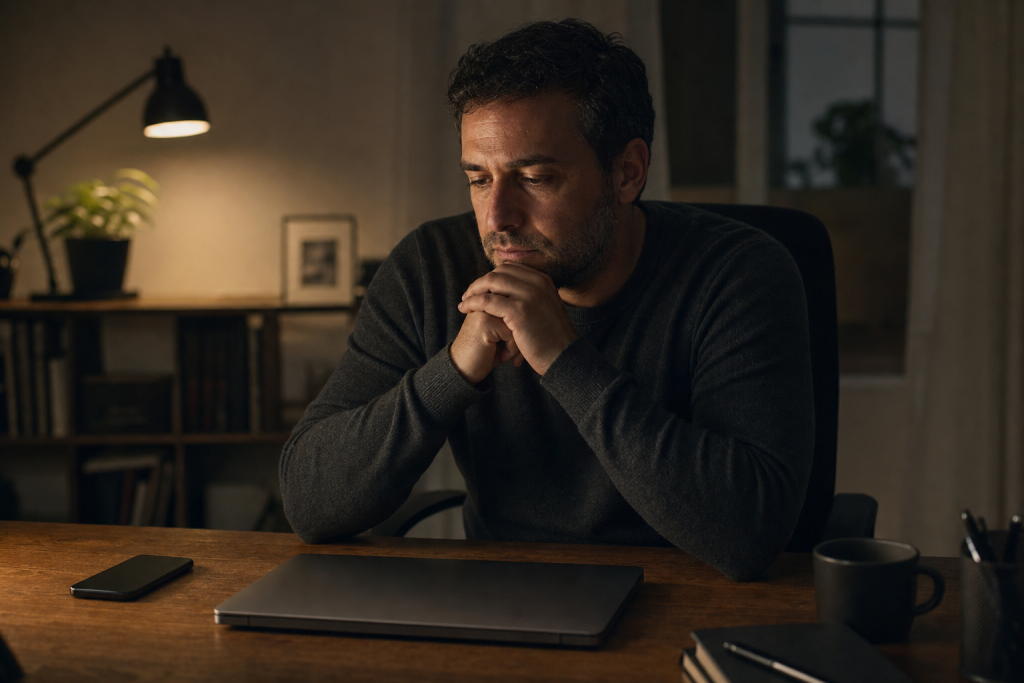
Can’t Stop Watching Porn can feel confusing, especially when part of you truly wants to stop and another part keeps pulling you back. For many people, this is not about being weak, lazy, or “bad.” It can be a learned coping loop where stress, loneliness, boredom, shame, anxiety, or emotional pain lead to compulsive pornography use. If this sounds familiar, Hypnosis Sudbury provides private online hypnosis, counselling, and recovery-focused support for people across Canada who want meaningful change. This article explains why the pattern can keep repeating, what has changed over time, what challenges people face, and what porn recovery may look like in the future.
Table of Contents
- Why You Can’t Stop Watching Porn: A Simple Explanation
- History: How Pornography Became So Easy to Access
- Trends: Why Compulsive Pornography Use Is More Common Now
- Challenges: Why Willpower Alone Often Falls Short
- A Deeper Recovery Option: The F.E.A.R. Method
- Future Prospects: What Porn Recovery May Look Like
- FAQ
- Conclusion
Why You Can’t Stop Watching Porn: A Simple Explanation
When someone says they can’t stop watching porn, they may be describing a habit that has moved beyond simple choice. Porn can become tied to the brain’s reward system, which is the part of the brain that learns what feels good, fast, and relieving. A technical term often used here is “reinforcement,” which simply means the brain repeats something because it brings a reward or removes discomfort. If pornography lowers stress for a short time, the brain may remember it as an escape route. Over time, the urge may show up during emotional moments, not just sexual ones. The real issue may be less about desire and more about emotional relief.
This does not mean every person who watches porn has a problem. It also does not mean everyone who struggles with porn has the same reason. Some people are dealing with anxiety, depression, relationship stress, trauma, boredom, isolation, or unresolved shame. Others may have built a strong habit through years of private repetition. In research, some people report feeling “addicted” to pornography, while others describe the issue as moral conflict, compulsive behaviour, or loss of control. The words matter, but the main question is whether the behaviour is harming your life, relationships, values, work, health, or peace of mind.
History: How Pornography Became So Easy to Access
For most of human history, sexual material was harder to find, slower to access, and more private in a different way. People once had to buy magazines, rent videos, or visit adult stores. That created friction, meaning there were steps between the urge and the behaviour. The internet removed most of that friction. Smartphones made access private, portable, and available at any hour. What once required planning can now happen in seconds, often during stress, insomnia, or loneliness.
This matters because habits grow stronger when they are easy to repeat. Think of it like keeping a bag of chips on your desk compared with keeping it at the store. The closer it is, the more likely you are to reach for it when tired or upset. Pornography is now “on the desk” for many people. Search engines, social media, private browsing, and endless novelty can keep the brain looking for the next clip, image, or fantasy. That endless novelty can make compulsive pornography use harder to interrupt.
Trends: Why Compulsive Pornography Use Is More Common Now
Several trends have made porn recovery a bigger topic. First, more people are online for work, entertainment, dating, and social connection, which means more screen exposure overall. Second, many people are more isolated than they appear, even when they are surrounded by digital contact. Third, stress levels have increased for many adults due to money pressure, relationship strain, work demands, and constant news. When a behaviour gives quick relief, it can become a go-to coping tool. This is especially true when someone has never learned safer ways to calm the body and process emotion.
Research also shows that the issue is not rare. Studies have found that a minority of adults report feeling unable to control pornography use or feeling distressed by it, with men generally reporting higher rates than women. The World Health Organization recognizes compulsive sexual behaviour disorder in the ICD-11 as a pattern of failing to control intense sexual urges or behaviours, but “porn addiction” itself is not listed as a separate diagnosis in the DSM-5-TR. In plain language, this means professionals may describe the problem in different ways. Some call it porn addiction, some call it compulsive sexual behaviour, and others focus on anxiety, shame, trauma, or habit formation. Different viewpoints can still lead to helpful support.
Challenges: Why Willpower Alone Often Falls Short
Willpower can help in the short term, but it often struggles when the urge is tied to emotion. Imagine trying to hold a beach ball underwater. You can do it for a while, but the pressure builds. If porn has become a way to push down sadness, anger, fear, boredom, or shame, simply saying “I will never do this again” may not address the pressure underneath. For many people, the issue is not simply willpower — compulsive sexual behavior can involve repeated attempts to cut back or stop without success, especially when pornography becomes a way to cope with stress, anxiety, loneliness, or emotional discomfort.
Another challenge is replacement behaviour. A person may reduce porn but then shift into overeating, gaming, gambling, workaholism, anger, shopping, or constant scrolling. This does not mean they failed. It may mean the nervous system is still looking for relief. Shame can make this cycle worse, but shame is not the only reason people struggle. Guilt says, “I did something wrong,” while shame says, “There is something wrong with me.” Recovery often becomes stronger when the person learns what the behaviour was doing for them emotionally.
A Deeper Recovery Option: The F.E.A.R. Method
The F.E.A.R. Method is one private recovery option for people who have stopped one harmful behaviour but keep switching to another. It was created by Gilles Brideau, M.A., a registered psychotherapist, certified hypnotist, and men’s recovery coach with 34 years of experience in mental health and addictions. The program is mainly designed for men aged 32 and older who have stopped a primary addiction such as alcohol, drugs, gambling, pornography, or another harmful behaviour, but still feel stuck in compulsive patterns. It does not replace medical care, emergency support, peer groups, counselling, medication, or rehabilitation when those are needed. Different people may need different methods, and many benefit from a combination of supports.
F.E.A.R. has two meanings. One is F*ck Everything And Run, which describes escaping pain through substances, porn, distraction, anger, isolation, or another behaviour. The other is Face Everything And Recover, which describes turning toward the deeper pain with support instead of running from it. The program has four stages:
- Foundation: Understanding the person’s story, shame cycle, emotional triggers, and the pattern beneath the visible behaviour.
- Empowerment: Building practical tools for anxiety, anger, guilt, shame, cravings, and difficult emotional reactions.
- Awakening: Exploring deeper subconscious patterns through approaches that may include conversational hypnosis, forgiveness work, inner-child work, and bilateral stimulation.
- Rebirth: Rebuilding identity, confidence, purpose, relationships, and practical plans for maintaining change.
The full program includes six private sessions over the first three months, followed by three monthly Rebirth Sessions, creating six months of support. Conversational hypnosis means using focused conversation and guided attention to help a person explore patterns below everyday awareness. Bilateral stimulation means using left-right stimulation, such as eye movements or tapping, to support emotional processing. These tools are not magic and do not guarantee results. They are ways to help a person slow down, notice patterns, and respond differently.
Future Prospects: What Porn Recovery May Look Like
The future of porn recovery will likely include more private, personalized, and online support. Many people want help but fear judgment, exposure, or being misunderstood. Online sessions can make support easier for people in smaller communities, busy work schedules, or private family situations. Technology may also help people track triggers, sleep, stress, screen time, and mood patterns. At the same time, technology alone is not enough for everyone. Apps can block websites, but they may not heal loneliness, anger, grief, or shame.
A useful future approach may combine practical tools with deeper emotional work. For example, website blockers can create space, counselling can help with thought patterns, medical care can support mental health concerns, peer support can reduce isolation, and hypnosis-based work may help explore automatic responses. If someone is dealing with withdrawal-like distress, thoughts of self-harm, severe depression, trauma symptoms, or unsafe behaviour, professional or emergency support is important. You do not have to wait until life falls apart before asking for help. What to expect in recovery is not perfection, but a process of learning triggers, reducing secrecy, building emotional skills, and making choices that match your values.
FAQ
For a medical overview of symptoms and causes, Mayo Clinic notes that compulsive sexual behavior may include repeated unsuccessful efforts to reduce or control sexual fantasies, urges, or behavior.
Q&A
Question: Does watching porn mean I have a porn addiction?
Answer: Not always. Some people watch pornography without feeling out of control or experiencing harm. Concern may grow when the behaviour feels compulsive, conflicts with your values, affects your relationship, reduces work focus, increases secrecy, or continues even when you want to stop. A qualified mental health professional can help you understand what is happening without shame or judgment.
Question: What can I do if I can’t stop watching porn even after trying many times?
Answer: Start by noticing the pattern around the urge. Ask what usually happens before it, such as stress, conflict, boredom, loneliness, anger, or feeling rejected. Add practical steps like reducing private screen time, using blocking tools, changing bedtime routines, and reaching out for support. If the behaviour feels unmanageable or is connected to deeper emotional pain, consider professional help, counselling, or a recovery-focused program that fits your needs.
To learn more and view our other blogs, click here,
Conclusion
If you can’t stop watching porn, it may be a sign that pornography has become more than entertainment. It may have become a way to manage pain, stress, loneliness, or emotional discomfort. The path forward is not about attacking yourself or pretending the problem is simple. It is about understanding the loop, reducing secrecy, building healthier coping tools, and getting the right kind of support when needed. Porn recovery can look different for each person, and no single method is right for everyone. With patience, honesty, and support, change can become more possible.
The photos used in this blog are for demonstration purposes only.