

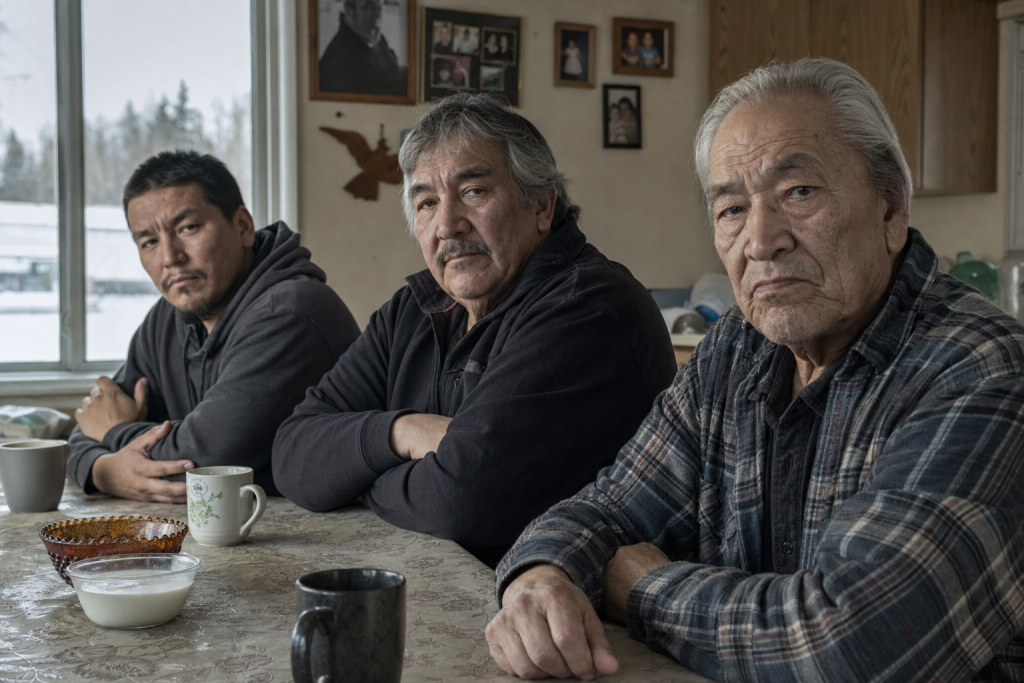
Generational Patterns can influence how families cope with stress, pain, conflict, and addiction across time. A person may stop drinking, using drugs, gambling, or acting out through another harmful behaviour, yet still feel trapped in the same emotional loop they grew up around. This does not mean they are weak, broken, or doomed to repeat the past. It means family history, learned coping skills, genetics, and early emotional experiences can all play a role. Hypnosis Sudbury provides private hypnosis, counselling, and recovery-focused support for people seeking meaningful change, including those who want to understand why old patterns keep showing up in new ways.
Table of Contents
- Generational Patterns in Addiction: What Families Can Change
- History: How the Family Addiction Cycle Gets Passed Down
- Trends: What Research Says About Generational Addiction Patterns
- Challenges: Why Stopping One Behaviour May Not Feel Like Enough
- A Private Recovery Option: The F.E.A.R. Method
- Future Prospects: Breaking Addiction Cycles With Better Support
- FAQ
- Conclusion
Generational Patterns in Addiction: What Families Can Change
Generational Patterns are the repeated habits, beliefs, reactions, and coping styles that move through a family over time. In addiction recovery, this may look like one generation using alcohol to avoid stress, another using work or food, and another using screens, gambling, or pornography. The behaviour may change, but the emotional pattern can stay the same. For example, a son may promise never to drink like his father, but later notice he escapes pressure through anger, isolation, or compulsive work. The goal is not to blame parents or grandparents, but to understand what was learned and what can now be changed.
This is where the idea of generational trauma matters. Generational trauma means emotional pain that affects more than one generation, often through silence, fear, neglect, violence, loss, or unstable caregiving. A family may never talk about grief, shame, abuse, war, poverty, or past addiction, yet the nervous system still learns how to survive. Children may grow up sensing danger even when no one explains it. As adults, they may look for relief in substances or compulsive behaviours because those behaviours offer fast escape, even when they create long-term harm.
History: How the Family Addiction Cycle Gets Passed Down
The family addiction cycle often starts long before the visible behaviour appears. A child watches how adults handle stress, conflict, disappointment, and emotional pain. If the home teaches “don’t talk about it,” “toughen up,” or “hide what hurts,” the child may learn to bury feelings instead of processing them. Later in life, that buried pain may come out as cravings, anger, anxiety, people-pleasing, overworking, or emotional shutdown. This does not mean every person with a difficult childhood will develop addiction, but early patterns can raise risk.
Think of it like a family recipe. One person may not choose the ingredients, but they still grow up eating what was served. Over time, they may believe that recipe is normal because it is all they have known. Breaking addiction cycles means learning to pause and ask, “Is this really mine, or did I inherit it?” That question can open the door to choice. It can also help people stop seeing themselves as the problem and start seeing the pattern as something they can work with.
Trends: What Research Says About Generational Addiction Patterns
Modern research shows that addiction is not caused by one single factor. Biology, stress, mental health, social connection, trauma history, and environment can all play a part. The Substance Abuse and Mental Health Services Administration explains that Addiction can repeat across generations partly because genetics may account for about half of a person’s risk, while family environment and early exposure can also influence vulnerability. This means genetics matter, but they are not destiny. Family support, therapy, medical care, peer support, healthy routines, and emotional skills can all reduce risk and support recovery.
Another trend is the growing understanding of “replacement behaviours.” This happens when someone stops one harmful behaviour but shifts into another. For example, a person may stop drinking but start overeating at night, gambling online, working nonstop, or spending hours on screens to avoid discomfort. This does not mean they failed. It may mean the original behaviour was serving a purpose, such as numbing pain, calming anxiety, avoiding shame, or creating a sense of control. Recovery often becomes deeper when the person explores what the behaviour was helping them escape.
Challenges: Why Stopping One Behaviour May Not Feel Like Enough
One of the biggest challenges in breaking addiction cycles is the belief that stopping the visible behaviour should fix everything. For many people, stopping is a major and powerful step, but it may not erase the emotional pain underneath. Someone may think, “I stopped, so why do I still feel stuck?” or “Why do I keep repeating the same pattern?” These questions are common, especially when shame is involved. Guilt says, “I did something wrong,” while shame says, “There is something wrong with me.” Shame can make people hide, isolate, or reach for another escape.
It is also important not to assume shame is the only cause of addiction or compulsive behaviour. Some people face withdrawal symptoms, mental health concerns, chronic stress, grief, physical pain, or social pressure. Others may need medical care, medication, counselling, rehabilitation, peer support, or crisis help. If someone is at risk of harming themselves or others, or is facing dangerous withdrawal symptoms, emergency or medical support is important. Different people need different combinations of care, and needing help is not a character flaw.
A Private Recovery Option: The F.E.A.R. Method
The F.E.A.R. Method is one private recovery option for people who have stopped a primary addiction but still feel caught in replacement behaviours. It was created by Gilles Brideau, M.A., a registered psychotherapist, certified hypnotist, and men’s recovery coach with 34 years of experience in mental health and addictions. The program is mainly designed for men aged 32 and older who have stopped behaviours such as alcohol use, drug use, gambling, pornography, or another harmful pattern, but still feel pulled toward overeating, anger, work, isolation, shopping, gaming, or constant screen use. It is delivered privately online, which makes it available to clients across Canada.
F.E.A.R. has two meanings. One is “F*ck Everything And Run,” which describes escaping pain through substances, compulsive behaviour, distraction, or avoidance. The other is “Face Everything And Recover,” which describes turning toward the pain with support instead of running from it. The program has four stages: Foundation, Empowerment, Awakening, and Rebirth. Foundation looks at the client’s story, shame cycle, triggers, and hidden pattern beneath the behaviour. Empowerment builds practical tools for anxiety, anger, guilt, shame, cravings, and emotional reactions.
Awakening explores deeper subconscious patterns through approaches that may include conversational hypnosis, forgiveness work, inner-child work, and bilateral stimulation. Conversational hypnosis uses focused conversation and guided attention to help a person access new ways of seeing and responding. Bilateral stimulation means using left-right stimulation, such as eye movements or tapping, to support emotional processing. Rebirth focuses on identity, confidence, purpose, relationships, and practical plans for maintaining change. The full program includes six private sessions over the first three months, followed by three monthly Rebirth Sessions, creating six months of support. It is not the only valid path, but it may fit people looking for private, one-on-one work around generational addiction patterns and emotional recovery.
Future Prospects: Breaking Addiction Cycles With Better Support
The future of recovery is becoming more personal, trauma-aware, and flexible. Instead of asking only, “What behaviour needs to stop?” more professionals are asking, “What pain is this behaviour trying to manage?” This shift matters because people are more than symptoms or habits. A person may need a mix of medical support, counselling, peer groups, family education, spiritual care, lifestyle change, and deeper emotional work. The strongest plans often include both immediate safety and long-term healing. Breaking addiction cycles is usually less about one dramatic moment and more about repeated, honest, supported choices.
For someone noticing generational patterns, a practical first step is to map the family cycle without judgment. Write down common themes such as silence, anger, loss, secrecy, perfectionism, overwork, substance use, emotional distance, or fear of asking for help. Then look at how those themes show up today. The next step is to build replacement skills that actually meet the emotional need, such as calming the body, talking to a safe person, setting limits, eating regularly, sleeping better, or getting professional support. Over time, the goal is not to become a perfect person. The goal is to become a more aware person with more choices than the generations before.
FAQ
Q&A
Question: Can generational addiction patterns be changed?
Answer: Yes, they can often be changed with awareness, support, and consistent practice. A person cannot rewrite family history, but they can learn new ways to handle stress, pain, shame, and conflict. This may involve counselling, medical care, peer support, private recovery work, or a mix of services. Change can take time, especially when the pattern has been present for many years.
Question: What should I expect when working on breaking addiction cycles?
Answer: You can expect to look at both the behaviour and the emotional pattern underneath it. This may include learning about triggers, building calming tools, exploring family history, and practicing healthier responses. Some people feel relief when they finally understand the pattern, while others may feel uncomfortable at first. If withdrawal, crisis, or serious mental health symptoms are present, professional or emergency support should be used when needed.
To learn more and view our other blogs, click here,
Conclusion
Generational Patterns do not have to control the future. Families can pass down pain, silence, and survival habits, but they can also pass down honesty, repair, courage, and healthier choices. Understanding the family addiction cycle helps people see the pattern more clearly instead of fighting themselves in the dark. With the right support, people can explore generational trauma, understand replacement behaviours, and build new ways to respond to stress and shame. No single method works for everyone, and recovery may involve several kinds of help. What matters is creating enough safety, support, and self-awareness to choose a different path one step at a time.
The photos used in this blog are for demonstration purposes only.