

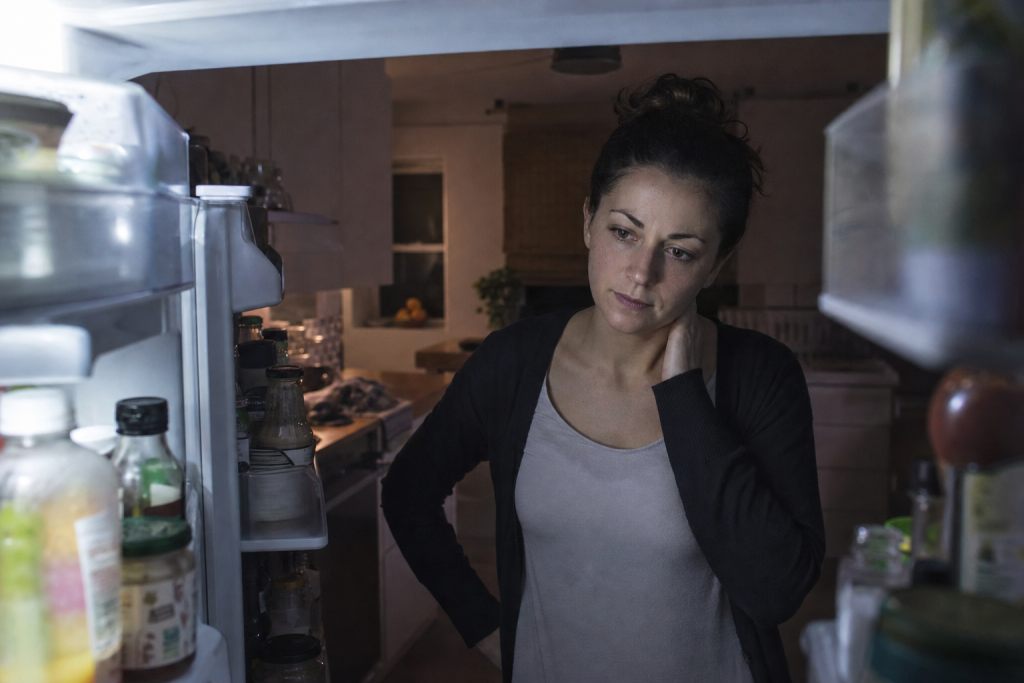
Nighttime Binge Eating can feel confusing because the day may seem manageable, yet the urge to eat becomes stronger once everything gets quiet. For many people, this pattern is not simply about food, hunger, or “trying harder.” It can be tied to stress, loneliness, sleep problems, emotional overload, or old ways of coping that run on autopilot. Hypnosis Sudbury offers private online support for people across Canada who want to better understand these deeper patterns and make meaningful changes. If nighttime eating feels out of control, it is important to know that help is available, and you do not have to handle it with shame or silence.
Table of Contents
- History: Why Night Eating Has Been Misunderstood
- Nighttime Binge Eating and Subconscious Patterns
- Trends: Stress, Screens, Sleep, and Emotional Eating
- Challenges: Common Binge Eating Triggers
- Comparing Support Options
- Future Prospects: What to Expect in Recovery
- FAQ
- Conclusion
History: Why Night Eating Has Been Misunderstood
For years, nighttime binge eating was often treated like a simple discipline problem. People were told to lock the kitchen, drink water, or “just stop snacking.” While practical steps can help, they do not always explain why the pattern keeps returning. Researchers now recognize that night eating can involve mood, sleep, stress hormones, learned habits, and the brain’s reward system. The Cleveland Clinic and other medical sources describe binge eating disorder as one of the most common eating disorders, and studies suggest it may affect around 1% to 3% of adults, though many never seek help.
A useful analogy is a smoke alarm. The alarm is loud and disruptive, but it is not the fire. In the same way, food may be the visible behaviour, while the deeper issue may be emotional pain, anxiety, exhaustion, loneliness, or unresolved shame. This does not mean shame is always the cause, and it does not mean every person has the same story. It means the behaviour may be carrying information. The question becomes: what is the pattern trying to protect you from feeling?
Nighttime Binge Eating and Subconscious Patterns
Subconscious patterns are automatic responses that happen before you have time to think them through. For example, someone may finish work, help family members, stay strong all day, and then feel an intense pull toward food at night. The eating may bring comfort, numbness, reward, or a short break from pressure. That does not make the person weak. It means the brain has learned that food can quickly change how the body feels.
Nighttime Binge Eating may also show up after a person has stopped another harmful behaviour. Someone may have quit alcohol, gambling, pornography, or drugs, yet later notice overeating, excessive screen use, anger, isolation, or work obsession taking its place. In recovery, this is sometimes called behaviour switching. The visible behaviour changes, but the emotional loop underneath stays active. This is one area where The F.E.A.R. Method can be relevant, especially for men aged 32 and older who have stopped a primary addiction but still feel stuck in replacement behaviours.
The F.E.A.R. Method was created by Gilles Brideau, M.A., a registered psychotherapist, certified hypnotist, and men’s recovery coach with 34 years of experience in mental health and addictions. The program views F.E.A.R. in two ways: “F*ck Everything And Run,” meaning escape through substances or compulsive behaviour, and “Face Everything And Recover,” meaning learning to turn toward the pain with support. It is not the only valid recovery path, but it may be one private option for people who want to explore emotional eating, shame, identity, and subconscious patterns more deeply.
Trends: Stress, Screens, Sleep, and Emotional Eating
Modern life makes nighttime binge eating easier to fall into. Many people are busy, overstimulated, and emotionally stretched. Food delivery apps, streaming platforms, late-night scrolling, and work messages can keep the nervous system switched on long after the day is over. When sleep is delayed, hunger hormones can shift too. Research has shown that poor sleep may affect ghrelin and leptin, two hormones involved in hunger and fullness. In simple terms, the tired brain often wants fast comfort.
Emotional eating is not always dramatic. It may look like eating because the house is finally quiet, because a person feels unappreciated, or because they cannot stop replaying a conversation from earlier in the day. A real-world example might be a man who performs well at work, stays calm for everyone else, and then eats large amounts of food alone at night. He may not even feel hungry at first. What he feels is pressure. The food becomes a pause button.
There is also a difference between guilt and shame. Guilt says, “I did something I do not feel good about.” Shame says, “There is something wrong with me.” When shame enters the cycle, the person may eat, feel bad, promise to stop, restrict food the next day, then feel overwhelmed again at night. This cycle can become less about food and more about relief, punishment, and escape.
Challenges: Common Binge Eating Triggers
Binge eating triggers vary from person to person, but some patterns show up often. Triggers are events, feelings, or body states that increase the urge to repeat a behaviour. They do not force the behaviour, but they can make it feel much harder to pause. Understanding triggers is not about blame. It is about building awareness before the urge takes over.
- Skipping meals or restricting food during the day, which can increase hunger at night.
- High stress, conflict, loneliness, boredom, or feeling emotionally unseen.
- Poor sleep, late-night screen use, or working too close to bedtime.
- Alcohol or cannabis use, which may lower inhibition and increase appetite.
- Old memories, grief, shame, or anxiety that become louder when distractions stop.
- All-or-nothing thinking, such as “I already messed up, so the day is ruined.”
Actionable steps can start small. Eat balanced meals during the day when possible. Build a calming evening routine that does not revolve around screens. Keep a short journal beside the bed and write, “What am I feeling right now?” before going to the kitchen. If the urge is strong, try a 10-minute pause with breathing, stretching, or a warm shower. These steps are not magic fixes, but they can create space between the feeling and the behaviour.
Comparing Support Options
Different people need different kinds of support. Medical care can help rule out health concerns, medication effects, sleep disorders, or metabolic issues. A registered dietitian can help with meal structure and reduce the restrict-binge cycle. Counselling can support emotional regulation, trauma work, anxiety, depression, and relationship stress. Peer support groups can reduce isolation and offer community. In some cases, treatment for eating disorders or addiction may be important, especially when safety, withdrawal, self-harm, or severe distress is involved.
The F.E.A.R. Method is different from a group meeting or a short advice-based program because it is private, one-on-one, and six months long. It includes six private sessions over the first three months, followed by three monthly Rebirth Sessions. Its four stages are Foundation, Empowerment, Awakening, and Rebirth. In everyday terms, that means learning the story behind the pattern, building tools for hard emotions, exploring deeper automatic responses, and rebuilding identity and purpose.
The approach may include conversational hypnosis, bilateral stimulation, emotional regulation strategies, shame-focused recovery work, and identity rebuilding. Conversational hypnosis uses focused conversation and relaxation to help explore thoughts and responses below everyday awareness. Bilateral stimulation means gently engaging both sides of the body or attention, often through tapping or guided cues, to support emotional processing. These methods should not be presented as guaranteed cures, but they may help some people better understand why they keep repeating the same loop.
Future Prospects: What to Expect in Recovery
The future of recovery support is becoming more personal. Instead of asking only, “How do we stop the behaviour?” many professionals are also asking, “What need is this behaviour trying to meet?” That shift matters. A person struggling with nighttime binge eating may need food structure, sleep support, emotional tools, medical guidance, and deeper work around identity or shame. A combined approach is often more realistic than relying on willpower alone.
What can you expect if you begin addressing this pattern? First, you may start noticing the moments before the urge hits. Second, you may learn to name feelings instead of immediately escaping them. Third, you may build safer ways to handle anxiety, anger, guilt, loneliness, or sadness. Progress may not be perfect or linear. Setbacks can happen, and they do not mean you have failed. They may be signals that another layer needs attention.
If nighttime eating is causing major distress, health problems, secrecy, purging, severe restriction, or thoughts of self-harm, professional support is important. If you are in immediate danger or feel unable to stay safe, contact emergency services or a crisis line in your area. Support should be respectful, person-first, and free from shame. You are not a problem to be fixed; you are a person with a pattern that can be understood.
FAQ
Q&A
Question: Is nighttime binge eating the same as having a late snack?
Answer: No. A late snack can be normal, especially if you are hungry or your schedule is different. Nighttime binge eating usually feels more urgent, emotional, secretive, or hard to stop. It may involve eating much more than planned and feeling guilt, shame, or distress afterward. If it happens often, it may be worth speaking with a qualified health or mental health professional.
Question: Can subconscious patterns really affect eating at night?
Answer: Yes, they can. Subconscious patterns are learned emotional responses that happen automatically. If your brain has learned that food brings comfort, distraction, or numbness, the urge may appear quickly when stress rises. The goal is not to shame the behaviour, but to understand what need it is trying to meet and build healthier ways to respond.
To learn more and view our other blogs, click here,
Conclusion
Nighttime Binge Eating is often more complex than a craving or a lack of discipline. It may involve emotional eating, sleep disruption, stress, body signals, and subconscious patterns that formed as a way to cope. Understanding the pattern with compassion can open the door to better choices, stronger support, and more honest recovery work. Whether someone chooses counselling, medical care, peer support, nutrition support, The F.E.A.R. Method, or a combination of approaches, the goal is not perfection. The goal is to listen to what the behaviour may be saying and begin responding in a healthier, more supported way.
The photos used in this blog are for demonstration purposes only.